Storm damage? We take emergency calls.(804) 489-7990
Managing a homeowners association (HOA) or commercial property in Central Virginia comes with a long list of responsibilities. Among the most critical, yet frequently overlooked, is the management of…
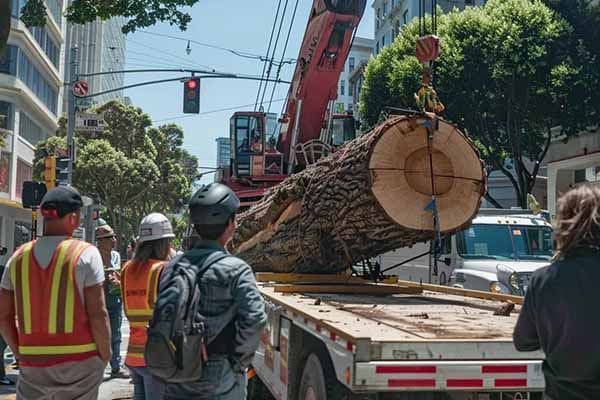
Managing a homeowners association (HOA) or commercial property in Central Virginia comes with a long list of responsibilities. Among the most critical, yet frequently overlooked, is the management of common-area trees. From the historic neighborhoods of Richmond and the sprawling subdivisions of Midlothian to the rapidly growing communities in Chesterfield and Henrico, mature trees are a major selling point. They boost property values, provide shade, and enhance the overall aesthetic appeal of a neighborhood.
However, mature trees also represent a significant liability if they are not properly maintained. Dead branches can fall on homes or vehicles, overgrown limbs can block streetlights and traffic signs, and diseased trees can become structural hazards during Central Virginia’s severe summer storms or winter ice events.
For property managers and HOA boards, understanding the balance between proactive maintenance and necessary removal is essential. This guide outlines how to identify tree hazards, when to trim versus when to remove, the importance of professional stump grinding, and how to structure multi-property maintenance contracts to protect your community and your budget.
This article helps HOA boards and property managers navigate the complexities of common-area tree maintenance, detailing when to preserve trees through pruning, when removal is required, and how to budget effectively.
Key Takeaways:
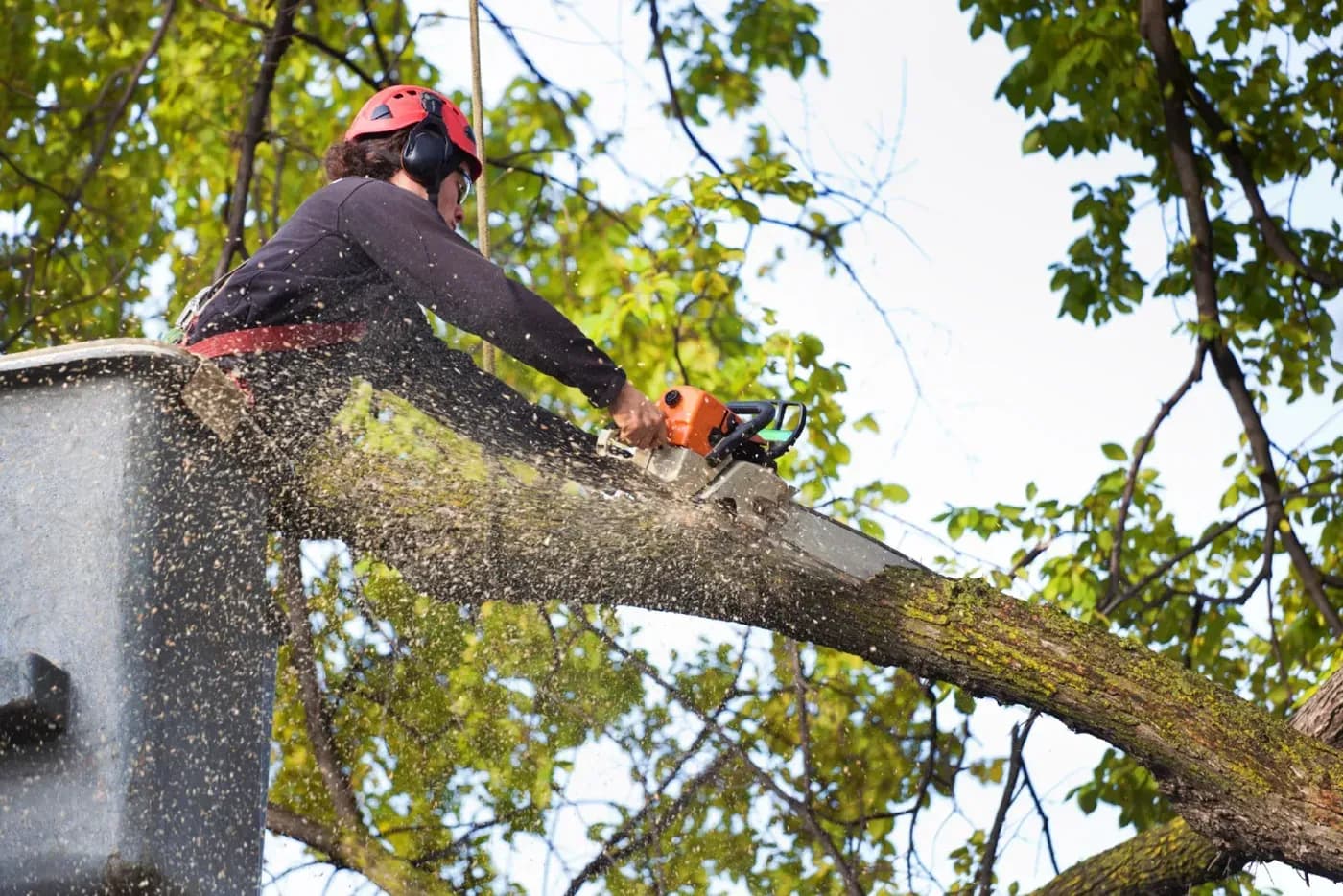
When managing community assets, HOA boards must balance aesthetic appeal, environmental health, and financial responsibility. Deciding whether a tree needs a targeted trim or complete removal requires professional evaluation, but property managers can look for key indicators to guide their planning.
Proactive tree trimming is the most cost-effective way to mitigate liability and preserve your community's canopy. Under the ANSI A300 pruning standards, the national consensus performance standards for tree care operations, trimming should always be performed with specific structural and health objectives in mind, rather than arbitrary cutting [1].
Property managers should schedule professional HOA tree trimming Richmond services when they observe:
While preservation is always the preferred path, there are times when a tree poses too great a risk to remain standing. In these cases, prompt commercial tree removal is the only responsible option to protect the HOA from severe liability claims.
Removal is typically required when:
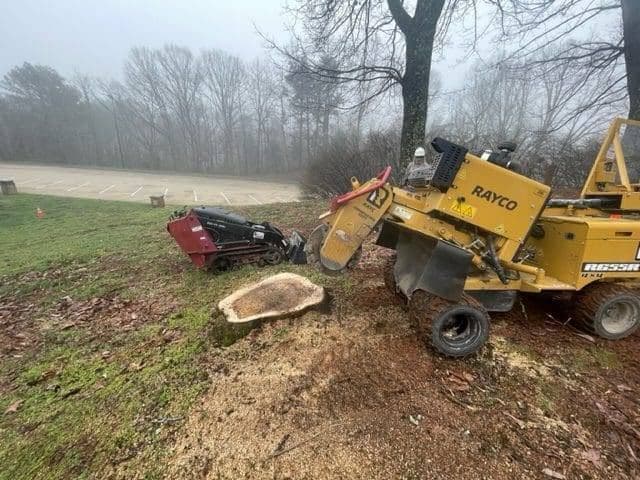
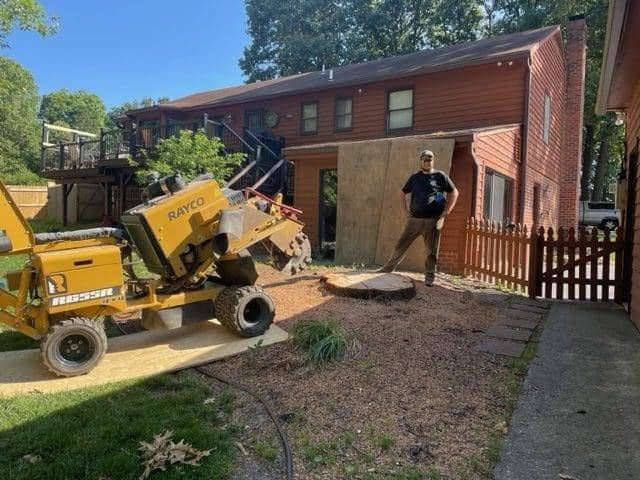
When a tree is removed from a common area, the job is only half-done if the stump is left behind. For HOAs and commercial properties, leaving stumps in place is highly discouraged for several reasons.
Utilizing professional stump grinding services ensures the stump is ground down well below grade (typically 6 to 12 inches). This prevents regrowth, eliminates pest habitats, and allows the HOA to easily restore the area with fresh topsoil, grass seed, or new landscaping.
Failing to manage community trees strategically leads to budget overruns, property damage, and legal disputes. HOA boards can avoid these common pitfalls by adopting a professional approach.
Reacting to tree emergencies is incredibly expensive. For property managers overseeing multiple communities or large HOA developments, the key to budget predictability is a multi-property tree maintenance contract.
Consolidating your tree care needs across multiple properties or scheduling large-scale pruning phases allows tree service providers to offer more competitive, volume-based pricing. Additionally, contract clients are always prioritized when severe weather strikes Central Virginia, ensuring your roads and common areas are cleared of storm debris rapidly.
Multi-year maintenance plans allow HOA boards to forecast their reserve study expenditures accurately, avoiding sudden, unbudgeted special assessments for tree emergencies.
While emergency work must be done immediately, routine maintenance should be scheduled strategically throughout the year:
Proactive tree management is a vital component of maintaining a safe, beautiful, and financially stable HOA community. By understanding when to trim, when to remove, and the importance of professional stump grinding, property managers can protect their residents and preserve property values. Partnering with a certified, fully insured commercial tree service ensures that your community's canopy remains an asset rather than a liability.
For over 20 years, Conner Tree Service has been the trusted partner for HOA boards, property managers, and commercial developers across Central Virginia. Founded by Jason Conner in 2001, our family-owned, owner-operated company is built on a simple mission: treat others as we want to be treated. Our team of certified arborists is fully insured and equipped with state-of-the-art machinery to handle commercial projects of any scale.
Ready to secure your properties? Request a multi-property tree trimming and removal estimate from Conner Tree Service today, or call our Quinton, VA home base to schedule a comprehensive property walkthrough with one of our certified arborists.
Serving Quinton, Richmond, Chesterfield, James City, Williamsburg, Hanover, Henrico, New Kent, Powhatan, Glen Allen, Midlothian, Mechanicsville, Ashland, and surrounding Central Virginia areas.
An HOA should schedule professional tree inspections at least once every one to two years, or immediately following a severe storm event. Regular inspections by a certified arborist allow the board to identify structural defects, disease, or pest infestations early, preventing costly emergency removals and mitigating community liability.
Yes, the HOA can be held liable if it can be proven that the board had prior knowledge of the tree's hazardous condition, or should have known through reasonable maintenance, and failed to take corrective action. Proactive inspections and documented maintenance are the HOA's best legal defense against negligence claims.
Tree trimming typically refers to clearing overgrown branches for aesthetic purposes, clearance, or light penetration, whereas tree pruning is a highly technical process focused on the health, structural integrity, and safety of the tree. Professional pruning should always follow ANSI A300 standards to avoid damaging the tree's long-term health.
Yes, HOA boards should absolutely include tree maintenance, pruning cycles, and projected removals in their long-term reserve studies. Because mature trees have a predictable lifespan and require ongoing care, treating them as depreciating physical assets ensures the community has adequate reserves when large-scale work is required.
Dormant pruning, which occurs in late winter, is recommended because it minimizes stress on the tree, reduces sap bleeding, and prevents the spread of active diseases and pests. Additionally, the absence of foliage allows arborists to clearly evaluate the tree's structural framework and make highly precise cuts.
Tree Care Industry Association (TCIA), Link to ANSI A300 Pruning Standards for Tree Care Operations.
Free estimates, no obligation, and a straight answer about what the job actually needs.
