Storm damage? We take emergency calls.(804) 489-7990
When homeowners notice a tree growing too large, shading the lawn excessively, or casting a shadow over rooflines, the initial thought is often simple: "It’s time to trim the…
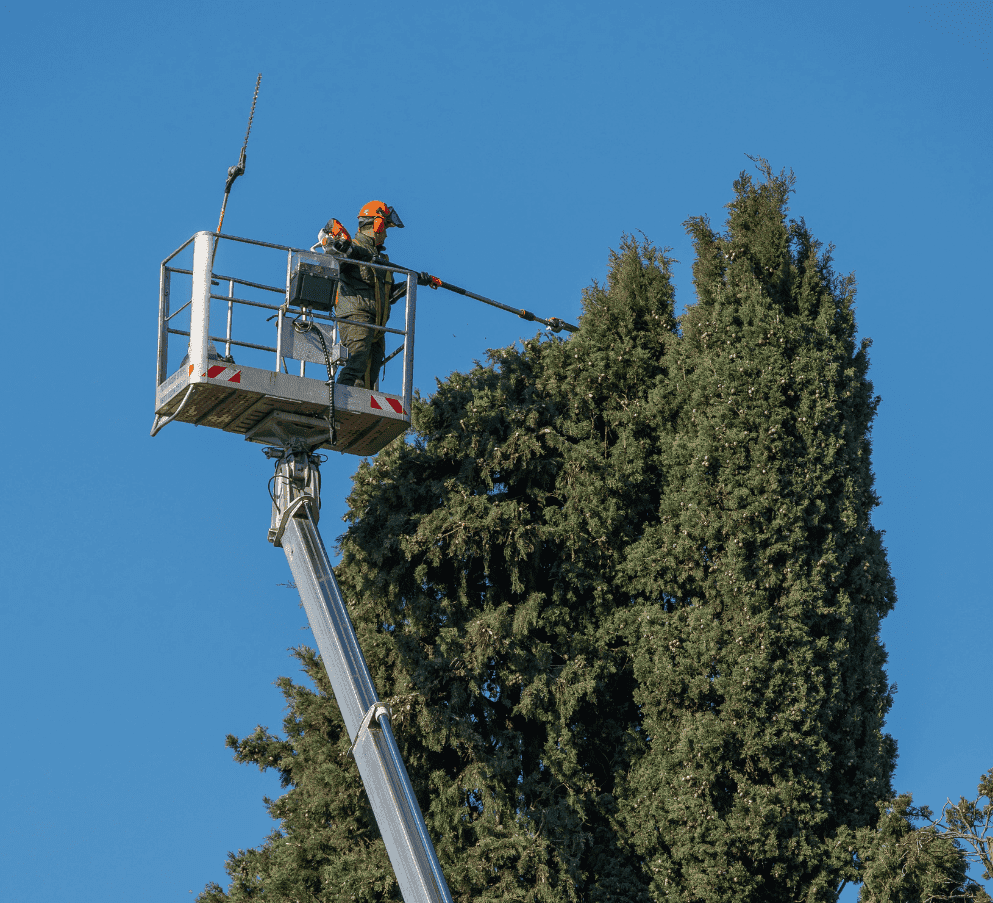
When homeowners notice a tree growing too large, shading the lawn excessively, or casting a shadow over rooflines, the initial thought is often simple: "It’s time to trim the tree."
However, professional tree trimming is far more nuanced than simply cutting back branches. In professional arboriculture, there is no single method for every canopy. Cutting the wrong branch, or cutting it incorrectly, can compromise structural integrity, trigger rapid decay, or invite destructive pest infestations.
Two of the most effective, standard-compliant techniques used by certified arborists are crown reduction and crown thinning. While both fall under structural pruning, they serve drastically different purposes and solve distinct property challenges. Understanding these tree trimming methods explained through industry standards helps you protect both your landscape investment and property safety.
Crown reduction reduces a tree's overall height and branch spread for safety and clearance, while crown thinning opens up interior foliage density to boost light and help reduce wind resistance without changing the tree's size.
Key Takeaways:
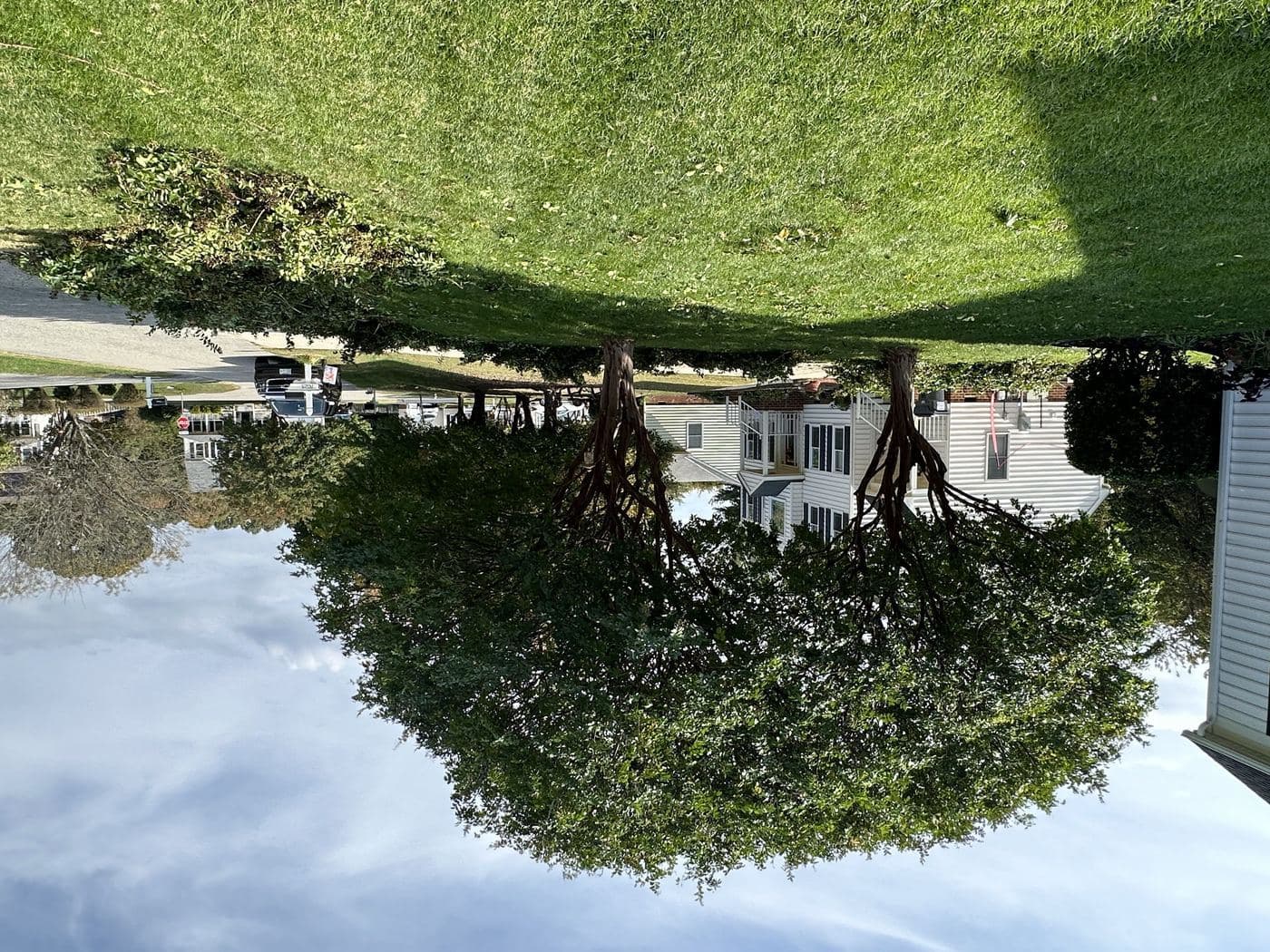
Crown reduction is a structural pruning technique used to decrease the overall height, spread, or canopy volume of a tree while preserving its natural form and structural framework.
According to ANSI A300 Pruning Standards, crown reduction is performed by cutting terminal branches back to lateral branches that are large enough to assume the terminal role. As a strict arborist rule, the remaining lateral branch must be at least one-third (1/3) the diameter of the stem being removed.
Crown reduction is typically recommended when a tree has outgrown its environment or presents structural stress:
Since 2001, our team at Conner Tree Service has evaluated mature oak, maple, and pine canopies across Central Virginia to relieve structural weight while preserving tree health.
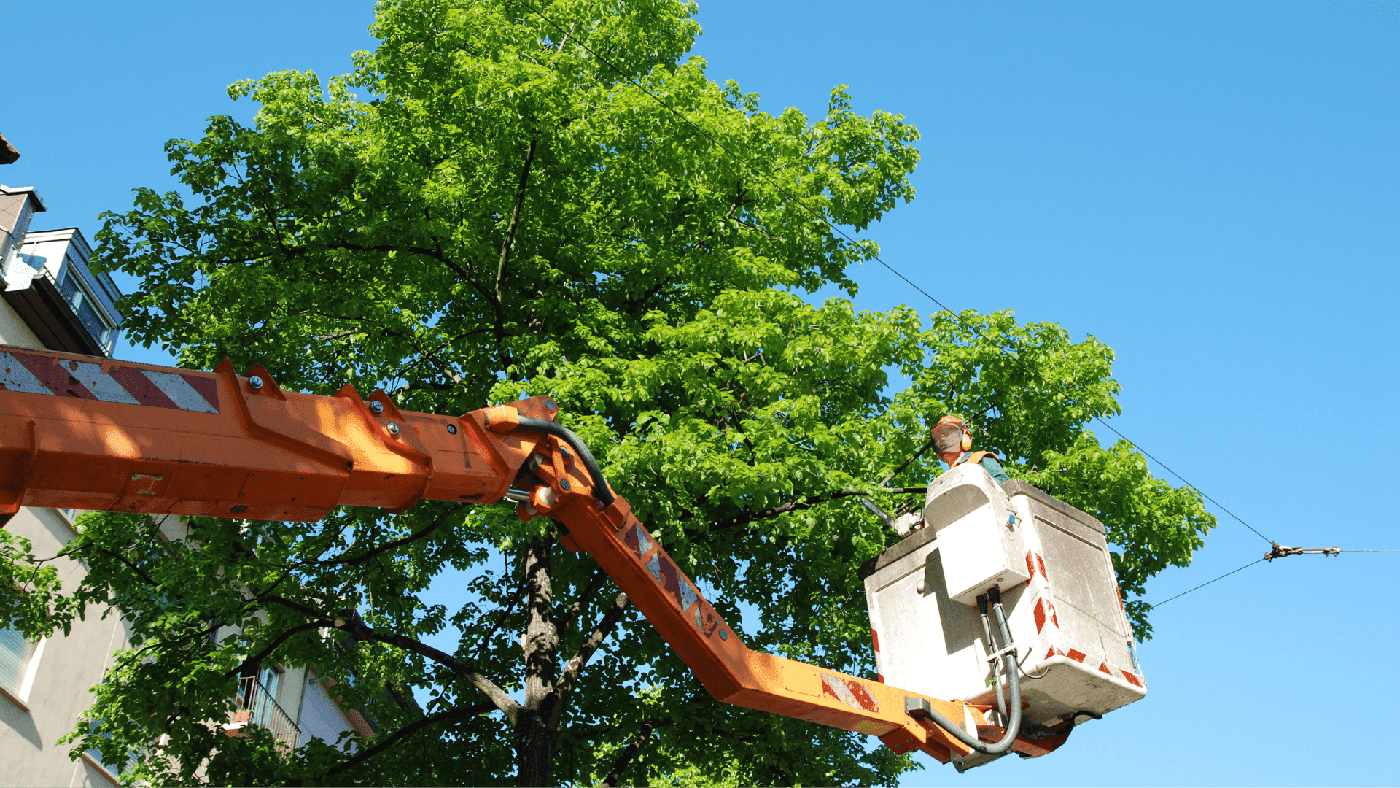
Crown thinning is the selective removal of secondary, interior branches throughout the canopy without altering the tree's overall size, height, or outer silhouette.
Rather than making the tree shorter or narrower, a professional crown thinning tree service opens up foliage density. Thinning targets weak, rubbing, crossing, diseased, or overcrowded interior limbs while leaving the major structural framework intact.
Crown thinning is ideal for property owners who love the size and shade of their tree but face functional canopy challenges:
Professional arborists follow established physiological limits across all pruning operations. Under general ISA and ANSI A300 guidelines, no more than 25% of live foliage should be removed in a single growing season. For mature, older, or environmentally stressed trees, arborists typically recommend an even more conservative limit of 10% to 15% to prevent physiological shock.
If a storm has already left limbs broken or hanging, that's a separate, more urgent situation, see our Hurricane Readiness: Storm-Proofing Your Central VA Landscape guide for pre- and post-storm steps.
Choosing the right approach depends on your primary property goal. The following comparison highlights how these Richmond tree pruning techniques differ in technique and outcome:
Improper pruning causes irreversible structural damage and decay. Avoiding these common mistakes protects your trees from premature failure:
What people do wrong: Indiscriminately cutting main branches down to stub ends without regard to lateral branch ratios.
Why it's a problem: Topping starves the tree, creates large open wounds that cannot compartmentalize, and triggers dense clusters of weakly attached shoots.
The right approach: Perform standard-compliant crown reduction by cutting back to a qualified lateral stem that is at least one-third the diameter of the removed limb.
What people do wrong: Stripping away all interior foliage and small branches, leaving leaves only at the branch tips.
Why it's a problem: Shifts weight outward, destroys natural wind-damping vibrations, and leaves long limbs vulnerable to snapping in wind and ice. Over-thinned trees are often the first to suffer limb breakage during winter storms.
The right approach: Maintain balanced interior branch distribution and adhere strictly to conservative foliage removal limits.
What people do wrong: Cutting branch collar tissue flush against the parent trunk or leaving long dead stubs beyond the branch union.
Why it's a problem: Flush cuts destroy the tree's natural defense zone (CODIT), opening pathways for rot, wood-boring pests, and fungal decay.
The right approach: Make clean cuts just outside the branch bark ridge and collar to enable natural wound closure.
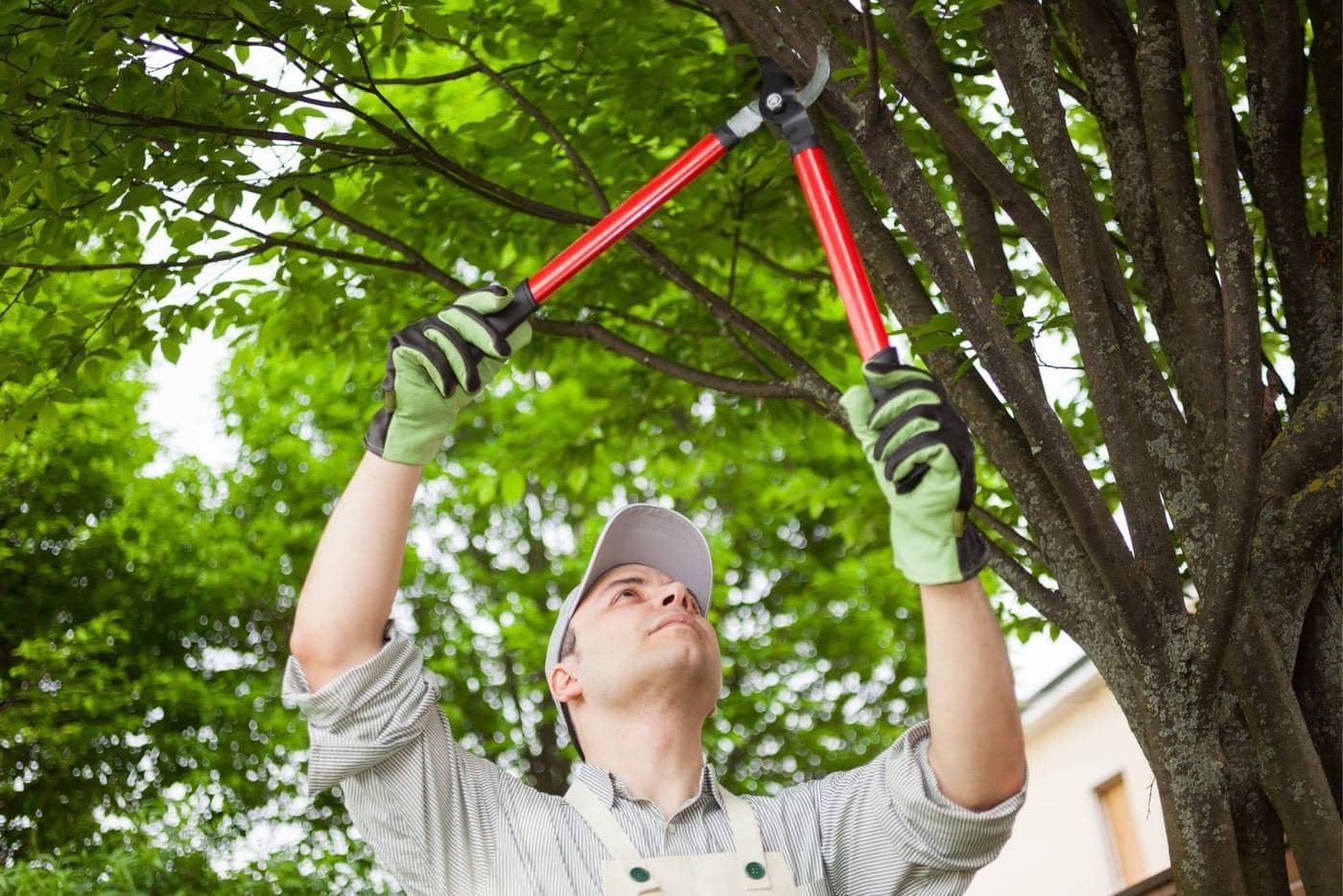
Maintaining mature trees requires knowing when a task is safe for a weekend project and when it demands professional arboricultural equipment.
Choosing between crown reduction and crown thinning comes down to your property goals, whether you need to reduce physical clearance hazards or open up shade and lower wind resistance. Practicing standard-compliant pruning ensures your trees remain healthy, structurally sound, and beautiful for decades.
When we inspect your property for an estimate, we analyze tree species physiology, structural defects, and target clearances to prescribe the exact trimming method your trees need. Contact Conner Tree Service today to schedule an arborist consultation.
Serving Quinton, Richmond, Chesterfield, James City, Williamsburg, Hanover, Henrico, New Kent, Powhatan, Tuckahoe, Glen Allen, Midlothian, Mechanicsville, Ashland, and surrounding Central Virginia areas.
If your tree is physically contacting your roof, encroaching on power lines, or blocking structural views, crown reduction is required to manage its overall footprint. If your tree is healthy but casts excessive shade on your lawn or has an overly dense canopy, crown thinning is the correct method.
Dormant season pruning (late fall through winter) is optimal for most deciduous trees in Virginia. During dormancy, trees experience less stress, disease pathogens are inactive, and the bare canopy structure allows arborists to make precise structural cuts.
As a general rule under ISA and ANSI A300 standards, no more than 25% of live foliage should be removed in a single growing season. For mature, older, or stressed trees, a more conservative limit of 10% to 15% is recommended to prevent starve-stress and shoot production.
Yes. Cuts made without respecting the branch bark ridge or cuts made to stems that are too small to assume dominance lead to severe decay, wood rot, and structural failure.
No pruning technique can guarantee total storm-proofing. Crown thinning selectively removes interior density to help reduce canopy wind resistance (the "sail effect"), but overall storm performance also depends on root plate health, soil saturation, structural defects, and wind intensity.
No. Tree topping violates all professional ISA and ANSI A300 pruning standards. Topping ruins tree architecture, causes severe internal decay, and creates weak regrowth shoots that present severe hazards in future storms.
Free estimates, no obligation, and a straight answer about what the job actually needs.
