Storm damage? We take emergency calls.(804) 489-7990
Trees are among the most valuable assets on any Central Virginia property, providing shade, privacy, and natural beauty. However, when a mature oak, maple, or pine starts showing signs of distress,…
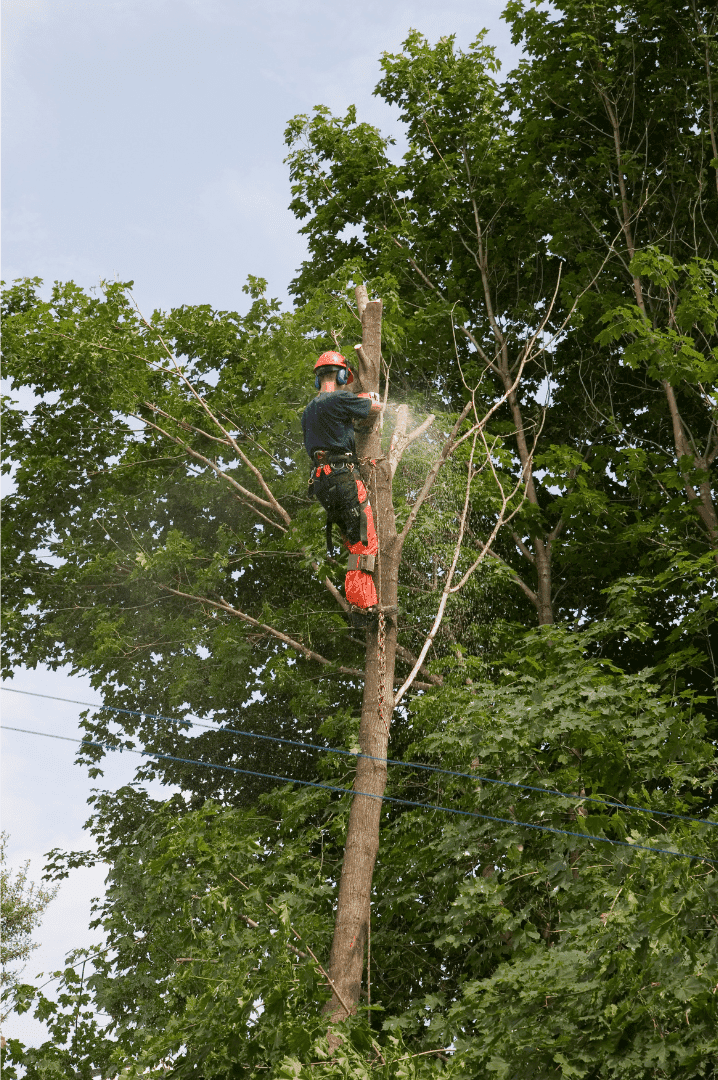
Trees are among the most valuable assets on any Central Virginia property, providing shade, privacy, and natural beauty. However, when a mature oak, maple, or pine starts showing signs of distress, whether from severe storm damage, disease, or late summer heat, it creates serious safety concerns. Homeowners frequently face a critical decision: Can strategic pruning restore the tree, or is complete removal necessary to protect your home and yard?
Recognizing dead tree removal signs in Richmond before a major storm hits can prevent thousands of dollars in structural damage. While routine trimming can rejuvenate a stressed tree, attempting to prune a tree that has suffered irreversible structural failure will not stop its collapse. For a full symptom-by-symptom breakdown of trunk, canopy, and root warning signs, see our companion guide, How to Tell If a Tree Needs to Come Down. Here, we focus on answering this question: why trees in the Richmond area seem to decline faster than the textbook timeline suggests, and what that means for your trim-or-remove decision.
This guide breaks down how Central Virginia's clay soil and drought patterns accelerate root decay, how that acceleration shows up in the canopy sooner than homeowners expect, and when trimming is enough versus when complete removal is the safest choice.
Deciding between tree pruning and complete removal comes down to structural integrity, canopy health, and root stability, and in Central Virginia, dense clay soil and summer drought push trees toward that decision point faster than in most regions.
Key Takeaways:
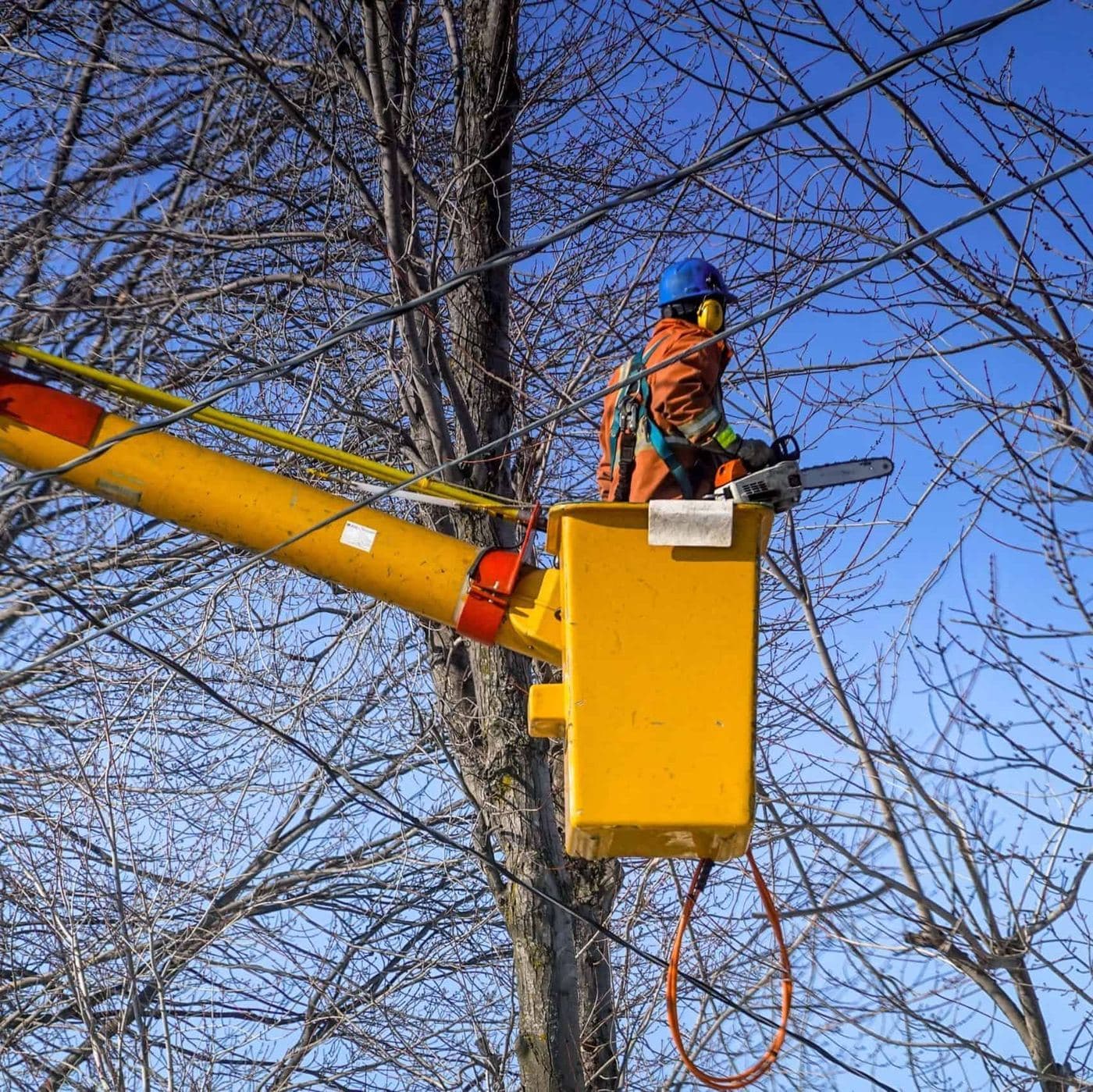
Trees rarely die overnight: they display visible warning signals across their canopy, trunk, and root system months before collapsing. In brief, watch for:
For the complete walkthrough of each of these signs (including what a bark seam looks like versus a structural crack, and how to tell an isolated dead branch from root-level decay) see How to Tell If a Tree Needs to Come Down. The rest of this guide focuses on why Central Virginia trees tend to hit these thresholds faster than the national averages most homeowners read online.
Homeowners in Richmond, Chesterfield, Henrico, and Hanover often wonder why a mature tree that appeared healthy in spring declines so rapidly by late summer. The combination of local soil composition and summer weather patterns plays a key role, and it's the piece most generic tree-health checklists leave out.
Central Virginia's soil is rich in dense clay, which shrinks and swells dramatically based on moisture levels. During wet spring months, clay holds excessive water, which can drown fine feeder roots and starve them of oxygen. As dry weather sets in during July and August, that same clay bakes into a hard crust. This concrete-like soil prevents rainwater infiltration and constricts root growth, accelerating the decline of already stressed trees, often compressing a multi-year decline into a single season.
When summer temperatures exceed 90 degrees, trees lose moisture quickly through transpiration. A tree with a compromised root system cannot draw enough water from dense clay soil to meet demand. This leads to scorching, leaf drop, and dieback. In weakened trees, late-summer drought stress frequently triggers structural decay, causing limbs to drop without warning. For prevention steps you can take before a tree reaches this point, see our Summer Survival: Protecting Trees from Heat Stress & Drought guide.
This is also why the 50% canopy dieback rule above can be misleading in Central Virginia specifically: a tree that looked 15–20% dead in June, growing in compacted clay, can cross the 50% threshold by September as root suffocation and heat stress compound each other, well ahead of the timeline homeowners expect from generic guidance written for other climates and soil types.
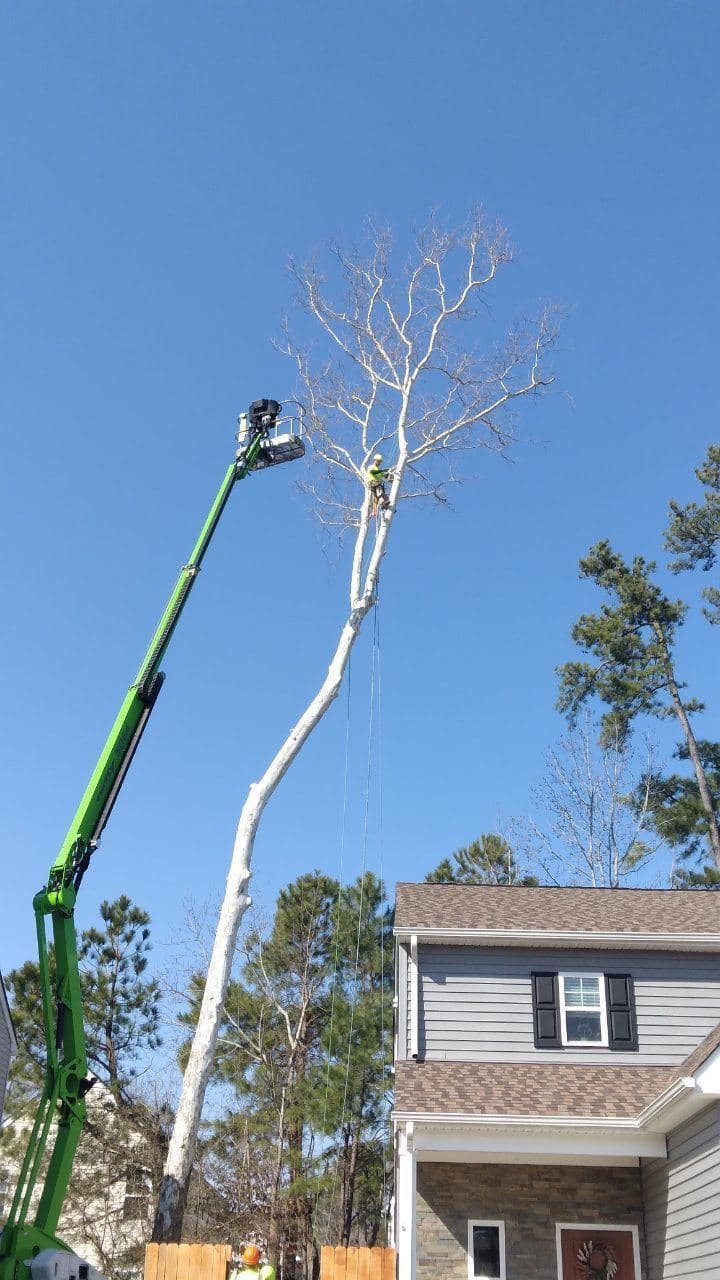
Distinguishing between a tree that needs a structural trim and one that must come down depends on where the damage is located and how much living wood remains intact.
Pruning is an effective, restorative treatment when the tree's main trunk and root system remain healthy and structurally sound. Trimming is recommended when:
Tree removal becomes the necessary option when structural instability threatens people or surrounding property. Removal is recommended when:
For guidance on timing removal around the seasons rather than waiting for an emergency, see our seasonal tree removal timing guide.
Some tree defects pose immediate hazards that require urgent attention. If you observe any of the following warning signs on your property, schedule a professional assessment right away rather than attempting DIY inspection:
If you observe these red flags on your trees, our team at Conner Tree Service can evaluate the hazard and advise you on the safest course of action.
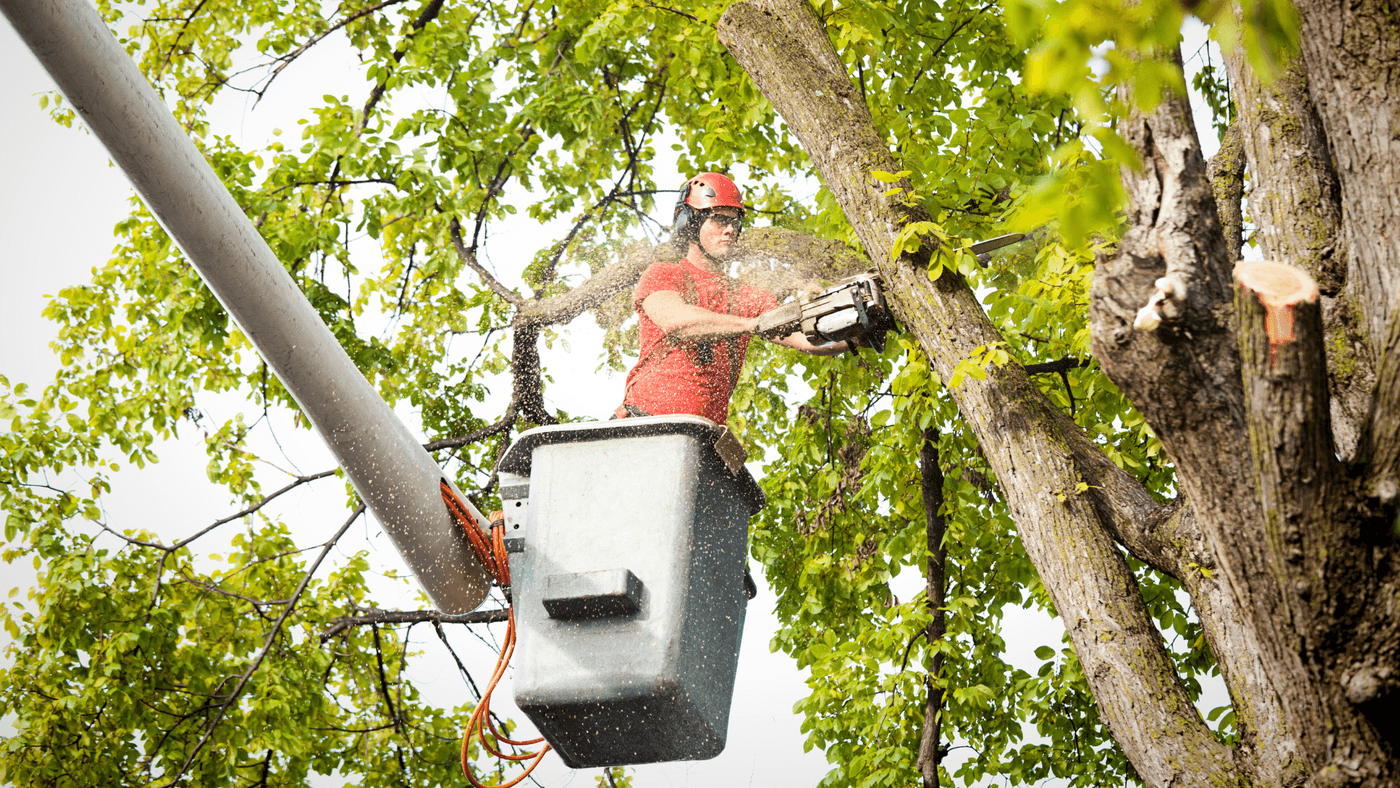
Property owners often make assumptions about tree health that can lead to unnecessary removals or, conversely, leave dangerous hazard trees standing too long.
What people do wrong: Homeowners assume a tree is structurally safe as long as leaves appear in spring.
Why it's a problem: A tree can maintain a green canopy even while its heartwood or root system is hollowed out by rot. Green leaves do not guarantee structural stability during high winds.
The right approach: Inspect the trunk and root flare for decay, hollows, and fungal growth, rather than relying solely on leaf color.
What people do wrong: Postponing removal to save money, assuming a dying tree will stay standing indefinitely.
Why it's a problem: Dead trees dry out and become increasingly brittle over time. As wood fiber weakens, removing the tree becomes more complex and dangerous, increasing removal costs.
The right approach: Remove dead or structurally compromised trees promptly while they can still be safely dismantled by tree care equipment.
What people do wrong: Choosing low-cost contractors who lack specialized insurance or arborist credentials.
Why it's a problem: Hazardous tree removal near homes involves significant risk. If an uninsured worker is injured or damages your property, you could be held liable.
The right approach: Always hire a fully insured, professional tree service equipped with proper rigging, cranes, and safety gear.
Determining whether a declining tree requires pruning or complete removal comes down to careful structural evaluation, and in Central Virginia, to understanding how clay soil and drought compress that decline into a shorter timeline than homeowners expect. By recognizing early signs of canopy dieback, trunk rot, and root instability, you can address hazards before they threaten your home.
We have been providing expert tree removal, trimming, and land management services across Central Virginia since 2001. Conner Tree Service brings the equipment, skill, and full insurance coverage needed to handle any job safely. If you are unsure whether your tree can be saved, we are happy to inspect your property and provide an honest, professional recommendation.
Contact Conner Tree Service today at (804) 489-7990 or visit us on our website to request an estimate.
Serving Quinton, Richmond, Chesterfield, James City, Williamsburg, Hanover, Henrico, New Kent, Powhatan, Tuckahoe, Glen Allen, Midlothian, Mechanicsville, Ashland, and surrounding Central Virginia areas.
A tree can usually be trimmed if damage is limited and isolated to specific branches while its trunk and root system remain sound. Complete removal is recommended if significant canopy dieback has occurred, if the trunk has deep cracks or extensive hollows, or if fungal conks appear around the root base.
The most reliable signs include widespread canopy dieback, vertical bark splits, fungal growth around the root flare, a sudden trunk lean, and hollow cavities affecting a substantial portion of the trunk's diameter. See our full symptom guide, How to Tell If a Tree Needs to Come Down, for a detailed breakdown of each.
Trimming can reduce wind resistance on a tree with hollow sections, but it cannot repair internal trunk decay. Whether a hollow tree can be safely retained depends on the remaining sound wood shell thickness, species, and structural load conditions.
Dense clay soil holds excess water during wet spring months, starving roots of oxygen, and then bakes into a hard crust during summer dry spells. This cycle restricts root expansion, blocks moisture infiltration, and accelerates root rot in weakened trees.
Homeowners insurance generally does not cover the cost of removing a standing dead tree as routine property maintenance. Insurance typically covers removal only after a tree falls and causes damage to an insured structure like a roof or fence, though coverage varies by policy, carrier, and state, so homeowners should confirm directly with their insurer.
Dead trees lose elasticity as the wood dries out, making branches brittle and unpredictable. Climbers cannot safely anchor into dead limbs, requiring arborists to use heavy equipment like bucket trucks or cranes, which increases time and equipment requirements.
Free estimates, no obligation, and a straight answer about what the job actually needs.
