Storm damage? We take emergency calls.(804) 489-7990
Trees are essential components of a healthy ecosystem. They provide us with clean air and water, shade from the sun, and a habitat for wildlife. In return, we need to care for our trees to ensure…
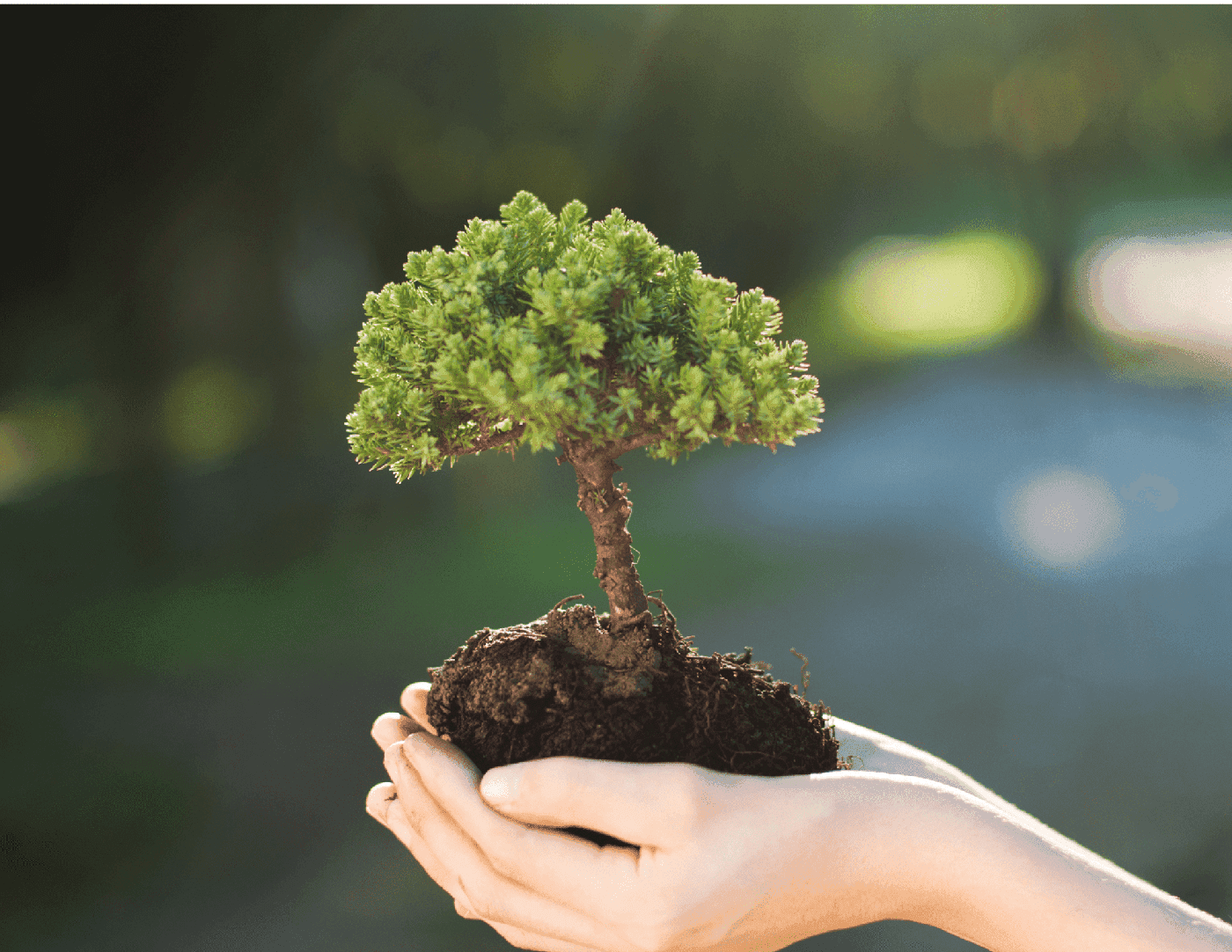
Trees are essential components of a healthy ecosystem. They provide us with clean air and water, shade from the sun, and a habitat for wildlife. In return, we need to care for our trees to ensure they can continue to thrive.
One of the most important aspects of tree care is watering. Young trees need to be watered regularly, especially during the first few years after planting. Once they are established, they will need less frequent watering, but they should still be watered during periods of drought.
The best way to water your trees is to give them a deep soaking at the base of the tree. Avoid watering the leaves or trunk, as this can encourage fungal diseases.
Mulching is another great way to care for your trees. Mulch helps to retain moisture in the soil, suppress weeds, and regulate soil temperature.
To mulch your trees, apply a layer of organic mulch, such as wood chips, shredded leaves, or bark, around the base of the tree. The mulch should be 2-3 inches thick and extend out to the drip line of the tree.
Trees need nutrients to grow and thrive. However, too much fertilizer can be harmful.
A good rule of thumb is to fertilize your trees every 2-3 years. Use a slow-release fertilizer that is specifically designed for trees.
Pruning is an important part of tree care. It helps to remove dead, diseased, or damaged branches, and can also improve the shape and structure of the tree.
Pruning should be done during the dormant season, when the tree is not actively growing.
Regularly inspecting your trees for pests and diseases is important. Some common pests and diseases that can affect trees include:
If you see any signs of pests or diseases, contact an arborist for assistance.
Other Tips for Tree Care
By following these tips, you can help to keep your trees healthy and thriving for years to come.
Additional Resources
Free estimates, no obligation, and a straight answer about what the job actually needs.
