Storm damage? We take emergency calls.(804) 489-7990
Trees grace our landscapes with beauty and shade, but like any living organism, they require proper care to flourish. Pruning is an essential part of tree healthcare, influencing its health,…
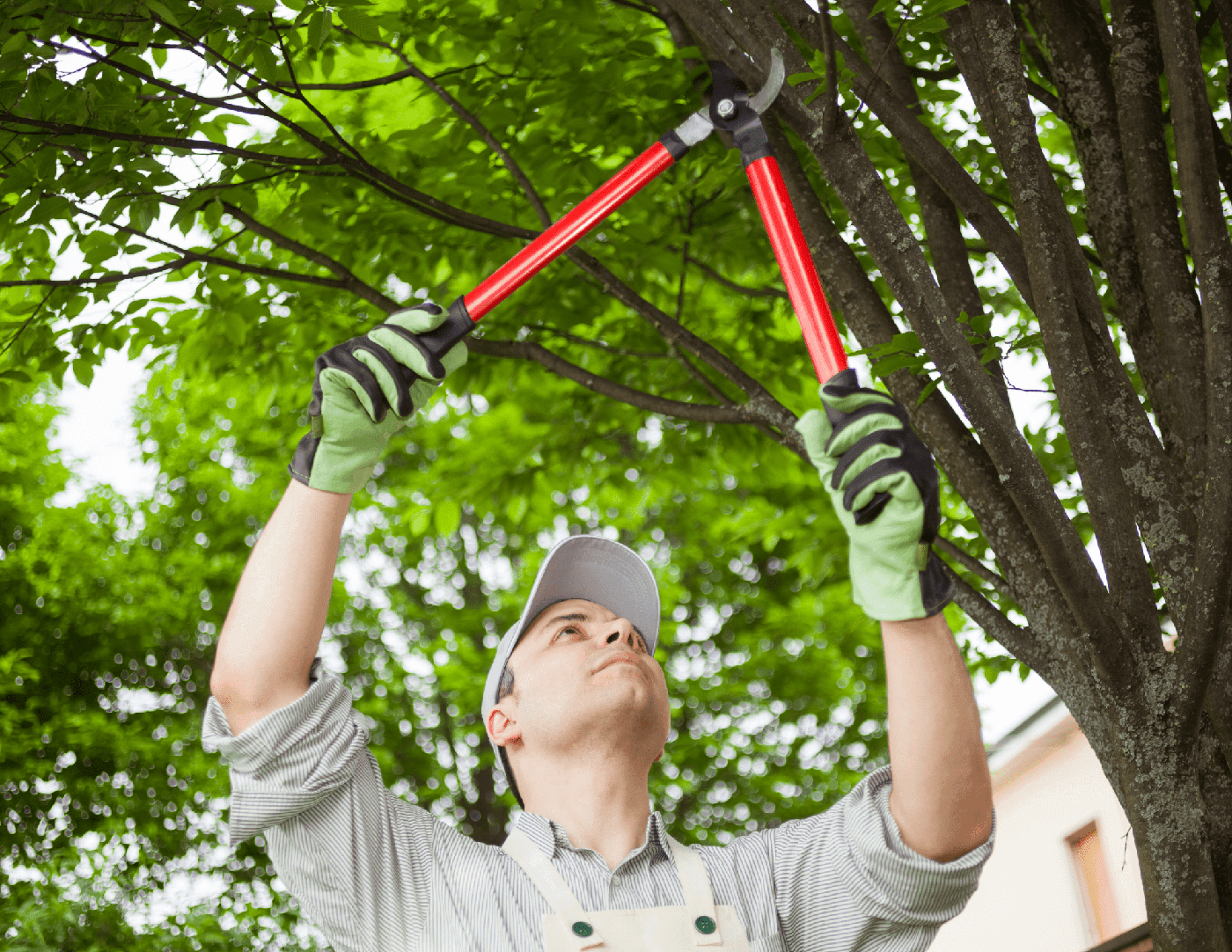
Trees grace our landscapes with beauty and shade, but like any living organism, they require proper care to flourish. Pruning is an essential part of tree healthcare, influencing its health, structure, and overall appearance. While simple pruning tasks can be approached by confident DIY enthusiasts, understanding the best practices and techniques is crucial for the long-term well-being of your trees.
Pruning offers numerous benefits, including:
The ideal time for pruning depends on the tree species and your specific goals. Generally, dormant periods (late fall to early spring) are preferred for most trees, as it minimizes stress and sap loss.
Several cut types are used in tree pruning, each with specific purposes:
1. Assess the Tree: Before making any cuts, observe the tree's overall health, structure, and size. Identify branches that need attention based on your intended outcomes.
2. Start with Deadwood: Remove dead, diseased, or broken branches first, ensuring clean cuts close to the branch collar.
3. Optimize Light and Airflow: Thin crowded areas by removing weaker or crossing branches, opening the canopy for better sunlight penetration and air circulation.
4. Shape with Purpose: Consider the desired shape and size of the tree, making strategic cuts to guide its growth and maintain a balanced structure.
5. Avoid Over-Pruning: Pruning should be well-informed and deliberate. Excessive or improper cuts can weaken a tree and make it more susceptible to damage and disease.
6. Consult an Arborist: For large or complex pruning tasks, consider seeking professional help from a certified arborist. Their expertise ensures the right care for your valuable trees.
Remember: Pruning is an ongoing practice that helps achieve a healthy and aesthetically pleasing landscape. By employing proper techniques and understanding the goals of pruning, you can ensure the long-term vitality and beauty of your trees for years to come.
Free estimates, no obligation, and a straight answer about what the job actually needs.
