Storm damage? We take emergency calls.(804) 489-7990
Prepare your landscape for hurricanes by mastering storm-proof techniques. Enhance your home’s safety and resilience with expert tips and trusted methods today!
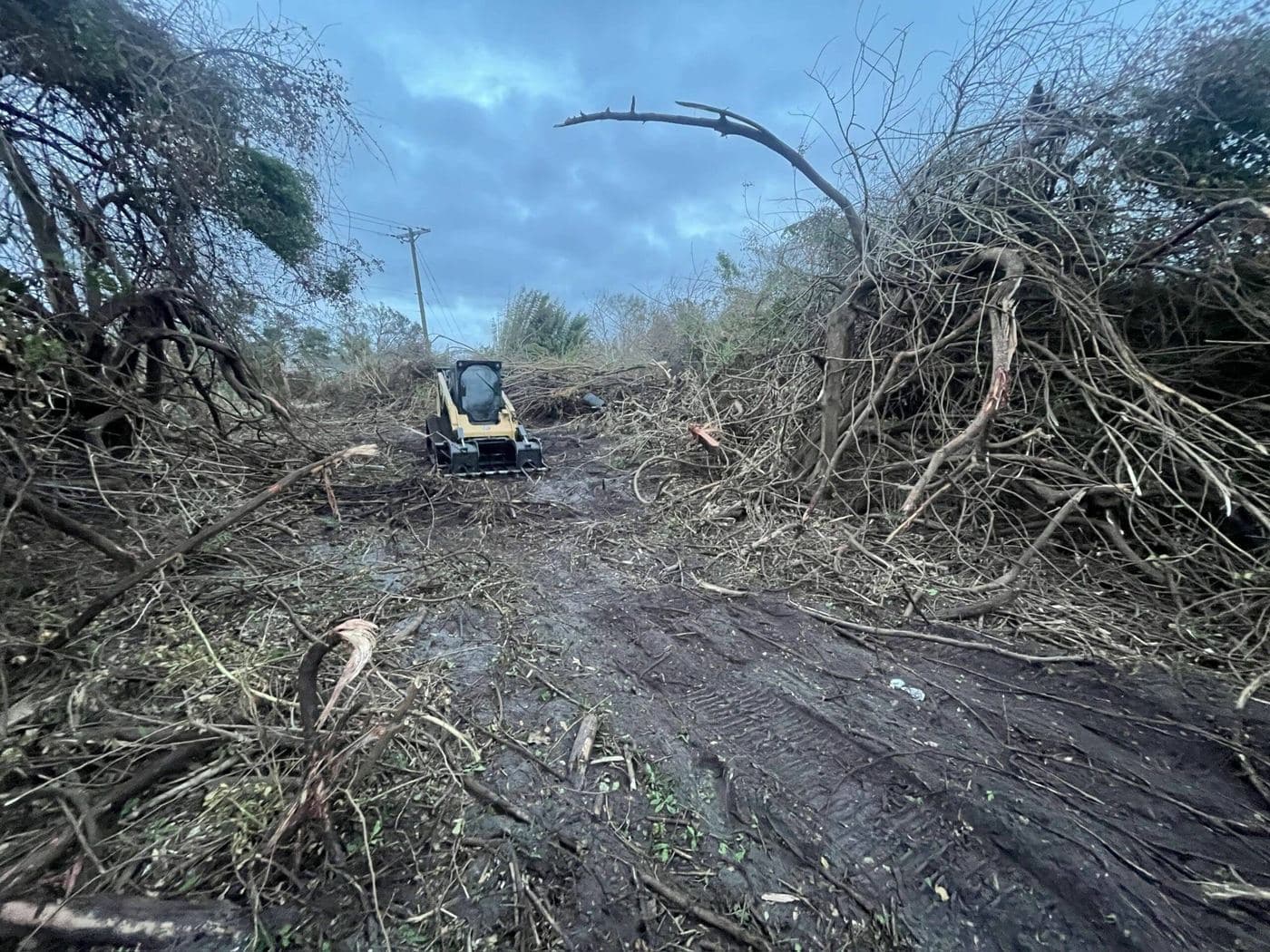
For homeowners in Central Virginia, the arrival of June brings more than just summer heat, it marks the official start of the Atlantic hurricane season. While we are miles from the coast, history has shown that tropical systems don't need a direct hit to cause devastating damage in the Richmond metro area. As recently as 2024, Tropical Storm Helene demonstrated how these systems can spin off tornadoes and dump torrential rain far inland, turning seemingly healthy trees into major liabilities[1].
The window between June 1st and the peak risk period in mid-August is your most critical time for preparation. In Virginia, storm-proofing isn't about "saving" every tree; it’s about identifying structural weaknesses and "widow-makers" before they are subjected to the high wind loads and saturated soils of a tropical system.
This guide provides a practical pre-season checklist tailored for Central Virginia landscapes. You’ll learn which local species are most prone to failure, how to spot the "silent" signs of a hazard tree, and what steps you can take now to protect your home before the first sirens sound.
Hurricane season in Virginia runs from June 1 to November 30, with peak activity typically occurring between mid-August and mid-October. Proactive inspection and structural pruning in early June are the most effective ways to prevent property damage.
According to the Virginia Department of Health, the peak window for tropical activity in our region is mid-August through mid-October[2]. During this time, Central Virginia faces a triple threat: destructive straight-line winds, localized tornadoes, and significant flooding.
The 2024 Helene event served as a stark reminder that inland counties like Henrico, Chesterfield, and Hanover are not immune. The combination of high-velocity winds and soil saturation is particularly dangerous for Virginia’s mature canopy. When the ground becomes "liquid" from heavy rainfall, even a structurally sound tree can lose its footing and topple.
Not all trees handle wind equally. In Central Virginia, certain species are genetically predisposed to failure during storms due to brittle wood or poor branching structures.
Perhaps the most notorious storm-victim in Richmond, the Bradford pear has a tight, upright branching habit that creates "included bark." As the tree grows, the branches push against each other rather than fusing, making them prone to splitting down the middle during even moderate wind gusts.
While they grow quickly, silver maples have very brittle wood. They are famous for "dropping limbs" during summer thunderstorms. In a hurricane-strength event, large sections of the canopy often snap, causing significant roof and gutter damage.
Sweetgums are prone to shallow root systems in Virginia's clay soils, making them candidates for "windthrow" (toppling). Willow oaks, while a third-party tool, often develop heavy, overextended limbs that can fail if they haven't been properly thinned to allow wind to pass through the canopy.
Before the season peaks, walk your property and look for these four "red flags" of structural instability.
Any branch that is dead, decaying, or already broken and hanging in the canopy is a "widow-maker." These are the first things to fall during a storm. Because they are no longer supported by the tree's living tissue, they can be dislodged by relatively low wind speeds.
Look at where major limbs meet the trunk. A strong union looks like a "U." A weak union looks like a tight "V." In a "V" union, the bark often grows inward (included bark), preventing the wood from bonding. This creates a natural fault line that is easily split by wind.
Trees that have grown lopsided, often due to competing for light or previous poor pruning, act like a sail in the wind. If the wind hits the "heavy" side of the tree, the uneven force can easily snap the trunk or pull the roots out of the ground.
Check the base of your trees. If you see soil "heaving" or cracking on one side, or if you see mushrooms (conks) growing directly out of the root flare, the root system is likely compromised by decay. A tree with a decayed root system is a "standing hazard" during a hurricane.
If you're unsure about a specific tree, our Step-by-Step Guide to Assessing Tree Health can help you determine if a tree is a candidate for removal or just needs a safety trim.
What people do wrong: Removing all the inner branches and leaving only a tuft of leaves at the end of the limb. Why it's a problem: This makes the branch "end-heavy." During a storm, the branch will whip violently, making it much more likely to snap than a branch with evenly distributed foliage. The right approach: Use professional crown thinning to allow wind to pass through the tree without compromising its structural integrity.
What people do wrong: Cutting the tops off major limbs. Why it's a problem: Topping creates massive wounds that rot and produce weak "sucker" growth. These suckers are poorly attached and will break off in the very next storm. The right approach: Use proper reduction cuts to lower the height or spread of a tree without destroying its health.
What people do wrong: Assuming a tree is "fine" because it survived the last storm. Why it's a problem: Storms often cause internal "stress fractures" in the wood that aren't visible to the untrained eye. The next storm, even a smaller one, can be the final blow. The right approach: Have a professional assessment done if your trees were subjected to high winds in previous seasons.
If a tree or large limb fails on your property, safety is the first priority.
For a full list of what to check throughout the year, see our Year-Round Tree Care Calendar & Checklist.
Hurricane readiness in Central Virginia is about proactive management, not reactive panic. By identifying your high-risk trees in June and taking steps to prune deadwood and address structural weaknesses, you can significantly reduce the chances of a preventable disaster on your property.
If a tree does need to come down before the season peaks, remember that the job isn't finished until the stump is addressed. We have several creative uses for tree stumps if you're looking for ways to repurpose the wood.
Serving Quinton, Richmond, Chesterfield, Williamsburg, Hanover, Henrico, New Kent, and the surrounding Central Virginia area. If you need a pre-season storm safety inspection, we're happy to help, Contact Conner Tree Service today.
The Atlantic hurricane season runs from June 1 to November 30. In Virginia, the highest risk for significant tropical weather typically occurs between mid-August and mid-October.
You cannot 100% wind-proof a tree, but you can significantly reduce the risk of failure through "crown thinning." This process removes select branches to allow wind to pass through the canopy rather than pushing against it like a sail.
No. Healthy, well-maintained trees can actually protect your home by acting as a windbreak. The goal is to identify and remove only the "hazard trees", those with structural defects, decay, or root issues that make them likely to fail.
A "widow-maker" is a large, dead, or broken branch that is hung up in the tree's canopy. These are extremely dangerous because they can fall at any time, especially during the high winds of a tropical storm.
Generally, homeowners insurance covers the removal of a tree only if it falls on a covered structure (like your house or garage). If a tree falls in your yard without hitting anything, removal is typically an out-of-pocket expense. Check your specific policy for details.
Free estimates, no obligation, and a straight answer about what the job actually needs.
