Storm damage? We take emergency calls.(804) 489-7990
Learn the key differences between stump grinding and removal to determine the best option for effective landscape management. Make an informed choice today!
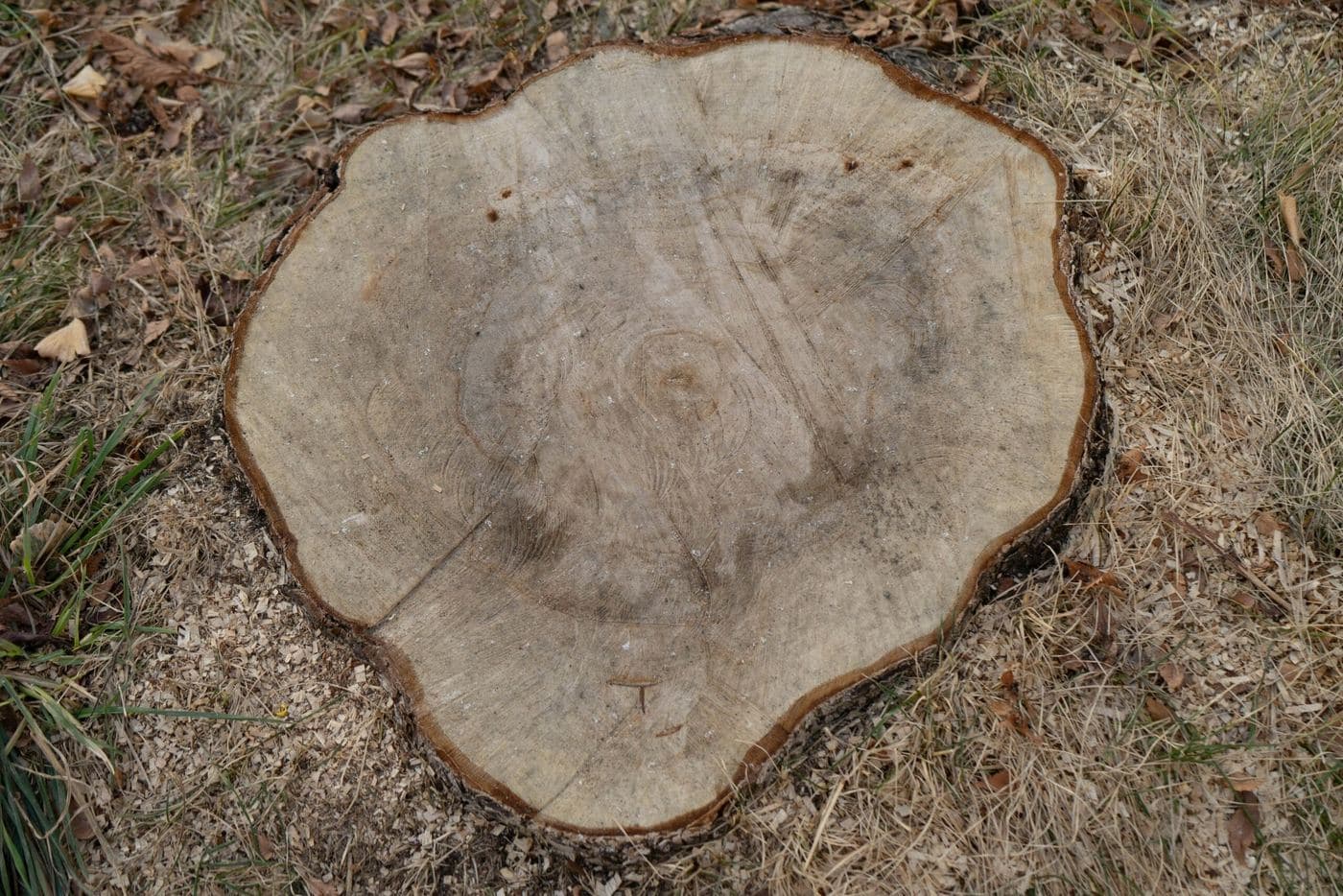
Many property owners underestimate the long-term impact of how they manage tree stumps. Ignoring the choice between grinding and removal can lead to unexpected costs, safety hazards, or delays in land use. Understanding the nuances of each method empowers you to make decisions that protect your investment and landscape health. This article dives into the key differences and practical considerations to help you select the best approach for your property.
Stump grinding refers to the mechanical reduction of a stump to wood chips using a rotating cutting wheel, leaving the root network in situ (meaning "in its original place") to decompose naturally. Stump removal denotes extraction of the stump and its root system from the ground, providing complete physical removal but typically requiring greater excavation and handling.
Stump grinding is executed with a stump grinder: a tracked or wheeled machine equipped with a high-speed, carbide-tipped cutting wheel. Operators advance the cutter across the stump surface to incrementally convert solid wood to mulch. The method reduces surface disturbance relative to excavation; however, strict adherence to safety protocols, operator training, and personal protective equipment is required to mitigate operational hazards.
Stump removal methods include manual extraction, application of chemical accelerants to promote decay, and mechanical excavation using backhoes or similar heavy equipment. Manual extraction relies on digging and leverage, chemical methods accelerate decomposition over time, and excavation physically uproots the stump and primary roots to achieve full removal.
The appropriate choice depends on site-specific criteria: intended land use, budget constraints, soil conditions, and timeline for replanting or construction. Stump grinding typically presents a faster, lower-disruption option; full stump removal is preferable when complete root elimination is required for planting, construction, or risk mitigation.
Select stump grinding when the priority is rapid remediation with minimal excavation, particularly for smaller stumps or established landscapes where preserving existing grade and adjacent vegetation is desirable. Grinding reduces surface obstructions and facilitates near-term replanting or turf restoration.
Choose stump removal when complete eradication of roots is necessary to prevent regrowth, to prepare the site for foundations or large plantings, or when the stump presents a documented safety or infrastructure risk. Removal is the more comprehensive option for larger stumps and sites requiring uncompromised soil access.
In addition to safety and replanting considerations, the literature identifies stump removal as an important management practice for controlling certain tree pathogens and for protecting long-term property value.
Stump Removal for Root Rot Control & Cost-Effectiveness
The referenced research evaluates the efficacy of stump removal in eradicating root-rot fungi and considers implications for cost-effectiveness. See: Impacts of soil compaction and tree stump removal on soil properties and outplanted seedlings in northern Idaho, USA, D.S. Page-Dumroese, 1998.
Cost differentials are determined by variables such as stump diameter, site accessibility, proximity to structures, and selected method. In practice, stump grinding generally incurs lower direct costs than full removal because it requires less labor, shorter equipment time, and reduced excavation and disposal.
The primary determinants of stump grinding cost include stump size, site accessibility, and the specifications of the grinder deployed.
Expenses for stump removal typically reflect labor rates for skilled personnel, costs to rent or operate heavy machinery, and any disposal or transport fees for excavated material.
Both approaches have ecological effects that warrant assessment. Grinding preserves the root system and limits soil disturbance, allowing in situ decomposition, whereas removal alters soil structure and vegetation and may increase erosion risk if not managed appropriately.
Grinding produces a wood-chip layer that contributes organic matter as it decomposes and can supply nutrients to adjacent vegetation. Conversely, insufficient post-operation management may cause localized compaction or impede root establishment for subsequent plantings.
Stump removal involves excavation that can disturb soil horizons, disrupt mycorrhizal networks (symbiotic associations between fungi and plant roots that enhance nutrient and water uptake, crucial for healthy plant growth), and alter local habitat. Use of chemical agents for decay acceleration introduces additional environmental risk factors for nearby flora and fauna.
Empirical studies further document the specific effects of stump removal and associated soil compaction on soil health and subsequent plant development.
Stump Removal's Impact on Soil & Seedling Growth
Research cited evaluates the impacts of stump removal and soil compaction on soil properties, ectomycorrhizal and root development, and tree seedling growth. See: Stump removal to control root rot in forest stands. A literature study, J. Stenlid, 2008.
Certified tree-care providers, including Conner Tree Service, deliver site assessments, method selection, and technically proficient execution to minimize risk and ensure regulatory and environmental compliance during stump management operations.
Professionals employ purpose-built grinders, ranging from portable units to larger track-mounted machines, selected for cutting capacity, depth capability, and mobility to match stump dimensions and site constraints.
Safe and efficient stump removal is achieved through a comprehensive approach that includes standardized safety procedures and an assessed plan. Professionals conduct site hazard assessments, verify site conditions, and select appropriate extraction techniques, manual or mechanical, to extract the stump and roots with controlled excavation. They use calibrated machinery and personal protective equipment to protect workers and adjacent property. Post-excavation, they implement stabilization measures such as backfilling and site remediation to restore the area for future use, ensuring regulatory and environmental compliance throughout the process.
Preparatory actions include a formal site inspection, identification of underground utilities and obstructions, clearance of the operational area, and agreement on scope and access with the service provider.
The standard sequence for stump grinding comprises an initial assessment, systematic grinding to the agreed depth, and subsequent cleanup and site restoration.
Selection between stump grinding and stump removal should be based on technical requirements, environmental impact, and intended land use. Grinding offers a lower-disruption, cost-efficient solution; removal provides complete root elimination when required. For professional evaluation and execution, contact Conner Tree Service to determine the most appropriate approach for your property.
Free estimates, no obligation, and a straight answer about what the job actually needs.
