Storm damage? We take emergency calls.(804) 489-7990
Ensure your trees thrive this summer in Virginia. Learn how to combat drought stress effectively with expert care tips tailored for local conditions.
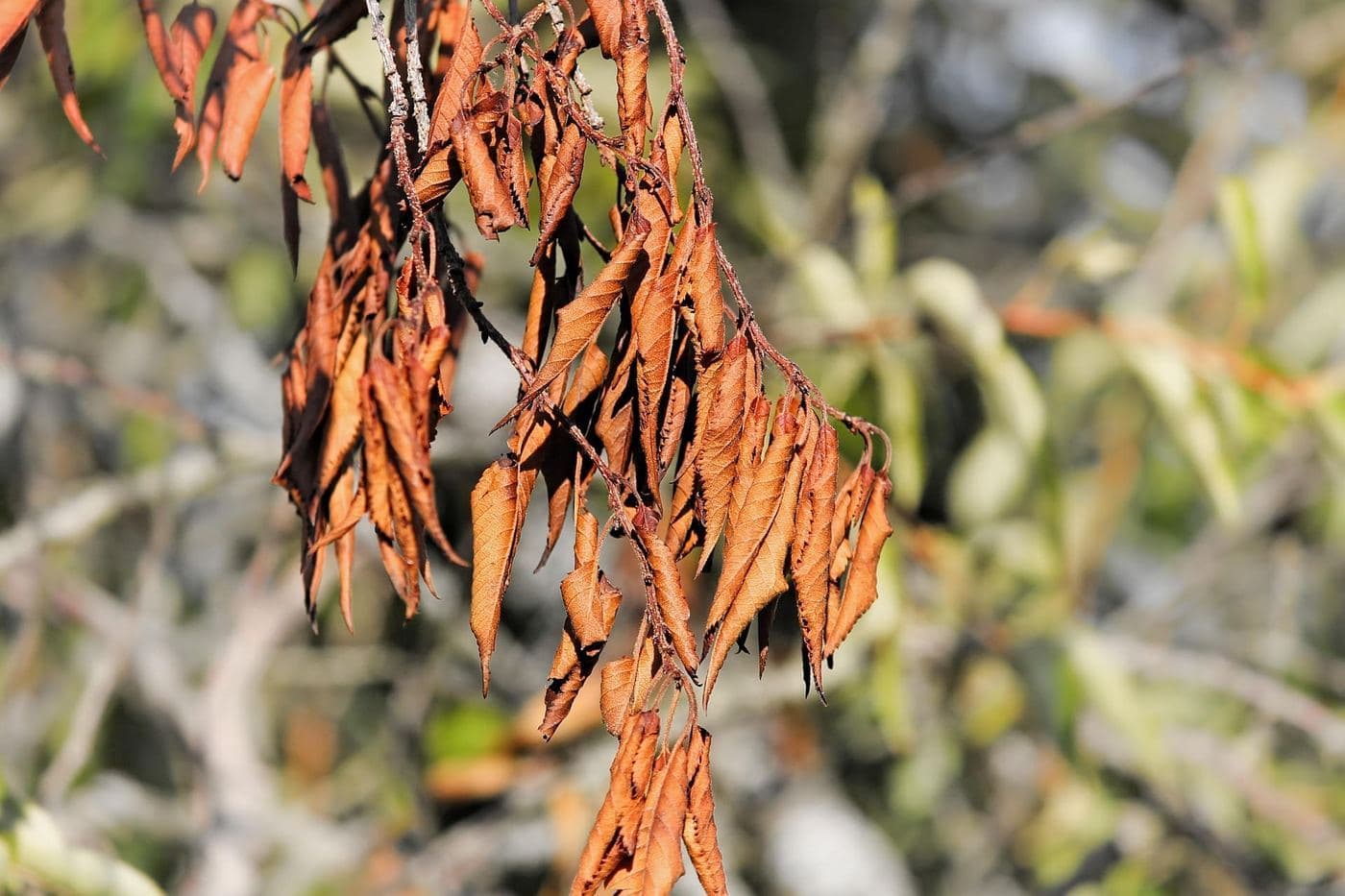
As the humidity rises and the thermometer regularly climbs past 90°F in Central Virginia, your trees are entering their most stressful season of the year. While we often think of trees as permanent, immovable fixtures of our landscape, they are living organisms that can quickly succumb to the "silent killers" of the Virginia summer: extreme heat and prolonged drought.
In the Richmond metro area, our heavy clay soils present a unique challenge. During a dry July or August, this clay can bake into a brick-like consistency, cutting off oxygen to the roots and preventing water from penetrating the soil. For a newly planted tree or a mature oak already struggling with environmental stressors like Oak Decline, a single heatwave can be the tipping point that leads to irreversible decline.
This guide provides a practical survival plan for your trees during the peak of summer. You’ll learn how to identify the early warning signs of drought stress, the "Deep Soak" watering technique that actually works, and why your mulching habits might be doing more harm than good.
Summer heat stress in Virginia typically peaks between late June and August. Proper hydration and root protection are critical to preventing long-term canopy dieback and structural failure.
Key Takeaways:
Trees can't tell you when they're thirsty, but they show clear physical symptoms when their internal water-transport system (the vascular system) can't keep up with the evaporation from their leaves.
A useful diagnostic for homeowners is the "Morning Test." Many trees will wilt or droop during the heat of a 95°F afternoon to conserve moisture. This is temporary wilting. If the tree looks hydrated and upright the following morning, it is managing the heat. However, if the leaves remain wilted or curled in the early morning hours, the tree has reached permanent wilting point and requires immediate intervention.
While all trees are affected, certain species in Central Virginia are notoriously "drought-sensitive." Birch, beech, dogwood, Japanese maple, and magnolia are often the first to show signs of distress[1]. Newly planted trees are especially vulnerable, as their underdeveloped root systems cannot yet reach the deeper, cooler soil layers.
If you aren't sure if your tree is suffering from heat or a more serious issue, our Step-by-Step Guide to Assessing Tree Health can help you differentiate between temporary stress and permanent damage.
Most homeowners water their trees the same way they water their lawns, with frequent, shallow bursts. In Virginia's clay soil, this is a mistake. Shallow watering encourages roots to grow near the surface, where they are easily baked by the sun.
To truly help a tree, water must reach 12 to 18 inches below the surface. Most trees need approximately one inch of water per week during the summer[2].
The best time to water is early morning (5:00 AM to 9:00 AM). This allows the tree to hydrate before the heat of the day hits and ensures that any water on the leaves dries quickly, reducing the risk of fungal diseases.
Think of mulch as insulation for your tree's "engine room." In the heat of a Richmond July, bare soil can reach temperatures over 120°F, which can literally cook the fine feeder roots responsible for water absorption.
Proper mulching is a key part of any Year-Round Tree Care Calendar, but it is most critical during the summer months.
What people do wrong: Applying high-nitrogen fertilizer to "green up" a stressed tree. Why it's a problem: Fertilizer encourages the tree to produce new flush growth. This new growth requires even more water, which the tree doesn't have, leading to a total system collapse. The right approach: Wait until the fall or early spring to fertilize, once the heat stress has passed.
What people do wrong: Trimming back live branches to make the tree look "neater" during the summer. Why it's a problem: Every pruning cut is a wound that requires energy to seal. In the summer, the tree needs that energy for survival. Pruning also opens the canopy, exposing previously shaded bark to "sunscald." The right approach: Limit summer pruning to the removal of dead or hazardous wood only.
What people do wrong: Keeping the soil "swampy" or saturated 24/7. Why it's a problem: Tree roots need oxygen to breathe. If the soil is constantly saturated, the roots will literally drown and rot, leading to the same wilting symptoms as drought. The right approach: Allow the top 2 inches of soil to dry out slightly between deep waterings.
Summer survival for Central Virginia trees is about consistency. By providing deep, infrequent water and protecting the root zone with proper mulching, you can help your landscape weather the harshest weeks of the year.
Remember that heat stress often masks deeper issues. If your trees are showing signs of significant dieback that doesn't respond to watering, it's time for a professional health assessment.
Serving Quinton, Richmond, Chesterfield, Williamsburg, Hanover, Henrico, New Kent, and the surrounding Central Virginia area. If you're concerned about the health of your trees this summer, we're here to help, Contact Conner Tree Service today.
For established trees, one deep soak per week during dry spells is usually sufficient. For trees planted within the last two years, you may need to water 2-3 times per week depending on the soil type and temperature.
Yes. Leaf scorch is a sign of stress, but it is rarely fatal on its own. The browned parts of the leaves will not turn green again, but with proper watering, the tree should produce healthy new leaves the following spring.
This is often a sign of "drought deciduousness." The tree is shedding leaves to reduce its water requirements. Check the soil moisture; if it's bone-dry, start a deep-watering regimen immediately.
Sprinklers are generally inefficient for trees because much of the water evaporates before it hits the ground, and it only wets the surface. Soaker hoses or "slow-drip" buckets are much more effective at reaching the root zone.
No! Piling mulch against the trunk (mulch volcanoes) causes bark rot and provides a home for rodents and insects that can girdle the tree. Always keep mulch a few inches away from the base of the trunk.
Sources:
Serving Quinton, Richmond, Chesterfield, Williamsburg, Hanover, Henrico, New Kent, and surrounding Central Virginia area.
Free estimates, no obligation, and a straight answer about what the job actually needs.
