Storm damage? We take emergency calls.(804) 489-7990
Safe tree cutting requires identifying hidden hazards like structural cracks, internal rot, and proximity to utilities. This guide helps homeowners recognize warning signs and determine when…
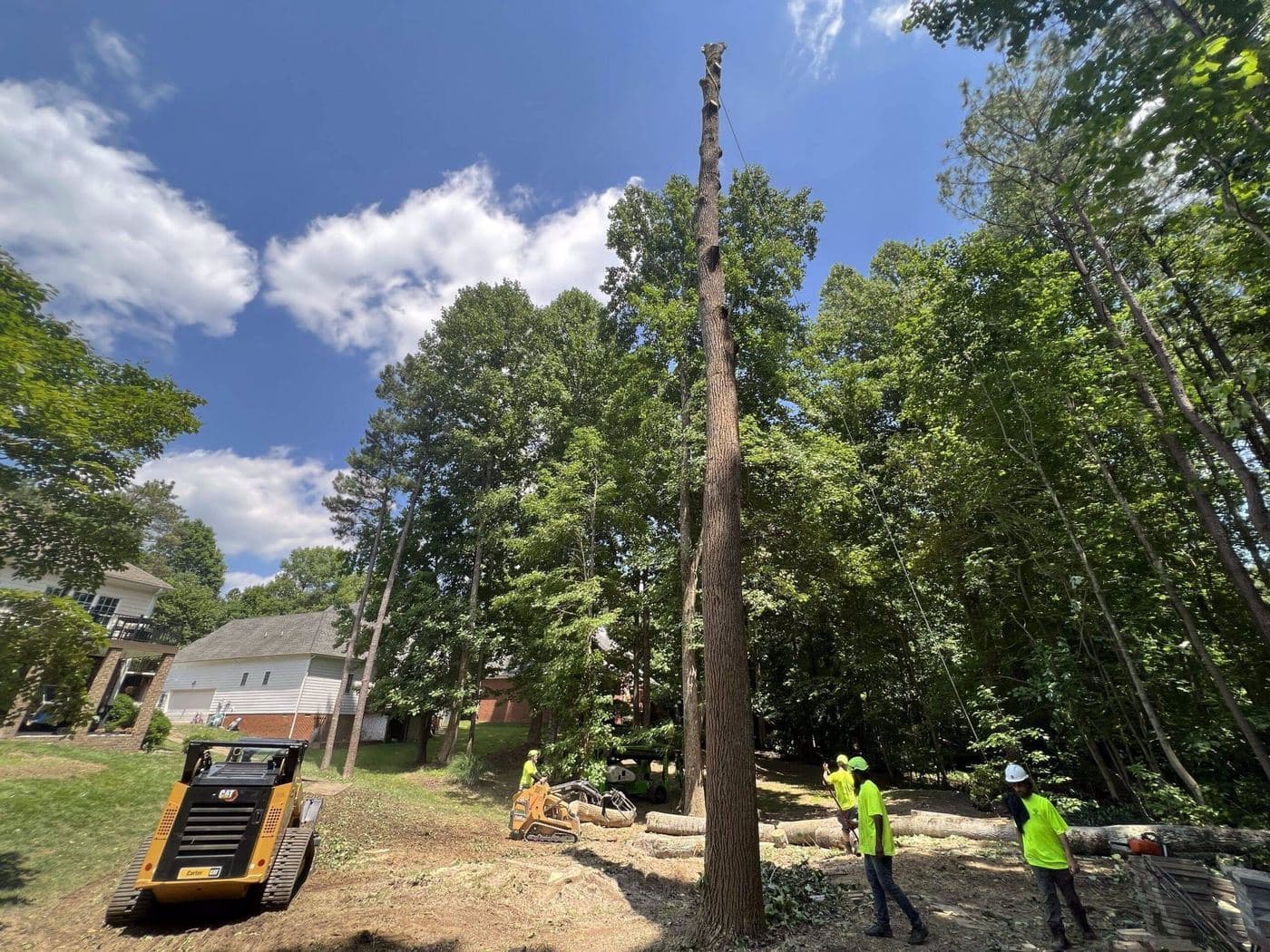
Safe tree cutting requires identifying hidden hazards like structural cracks, internal rot, and proximity to utilities. This guide helps homeowners recognize warning signs and determine when professional inspection or removal is necessary.
Hidden risks weaken a tree's structure, increasing the chance of failure during cutting. Identifying these hazards early prevents accidents and property damage.
Common hidden hazards to watch for:
Quick-scan risk table for homeowners:
Structural defects like cracks, cavities, included bark, or a heavy lean increase collapse risk. Do not attempt DIY cutting; professional pruning or removal is often required.
Diseases, pests, and root problems severely weaken a tree's internal structure. Signs include crown dieback, boreholes, fungal conks, or root issues. Always get a professional evaluation.
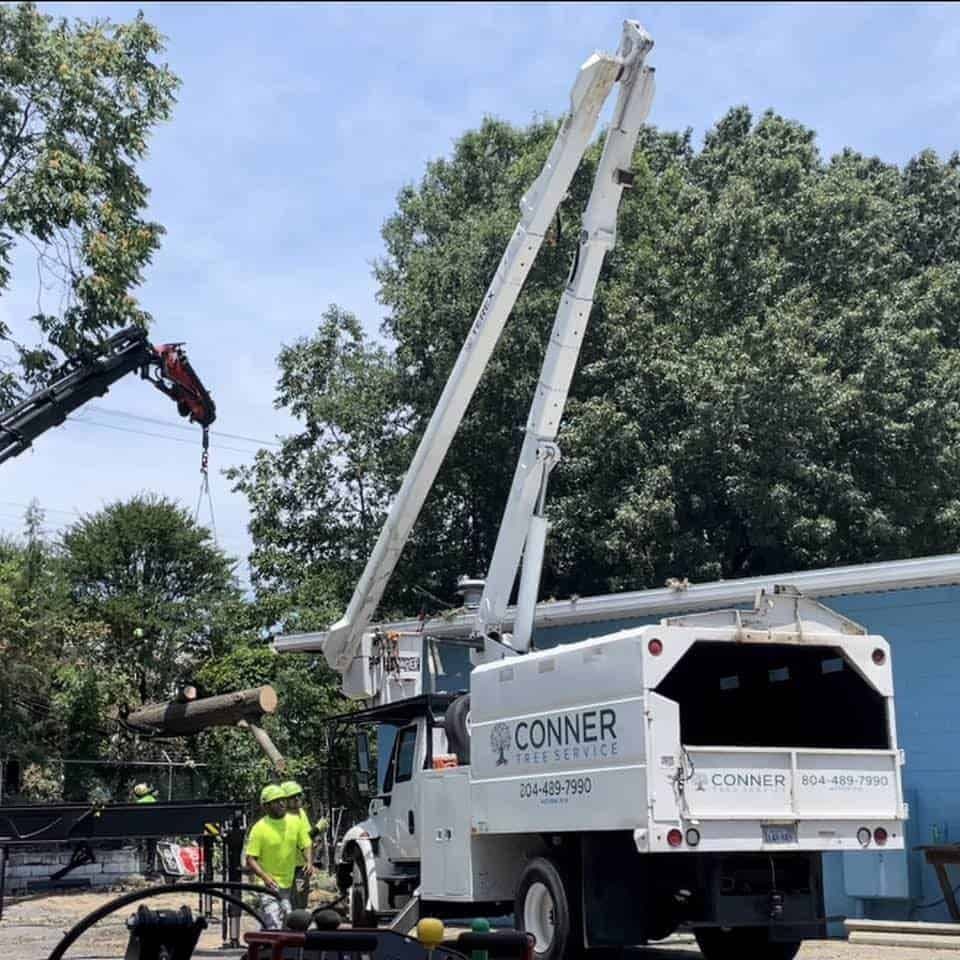
Homeowners can perform a visual tree risk assessment. Focus on targets, the crown, trunk, and roots from a safe distance.
Steps for a homeowner visual inspection:
Homeowner decision table:
If you find high or immediate risks on a Richmond-area property, Conner Tree Service can perform on-site assessments. We’re insured, experienced, and serve Richmond and nearby communities.
Call a professional immediately for large trunk cracks, heavy decay, exposed/rotting roots, active leaning, or trees near power lines. Post-storm damage also requires urgent assessment.
Critical safety precautions include establishing exclusion zones, using proper PPE, inspecting equipment, and coordinating with utilities. These minimize risks of falls, struck-by incidents, and electrocution.
Essential PPE and controls:
Falls and struck-by incidents are major risks. Professionals use rope systems, spotters, and planned drop zones. DIY work near roofs or power lines is extremely risky.
Trees near power lines pose a severe electrocution risk. Never attempt trimming yourself if branches are within the utility's clearance envelope; always notify the power company.
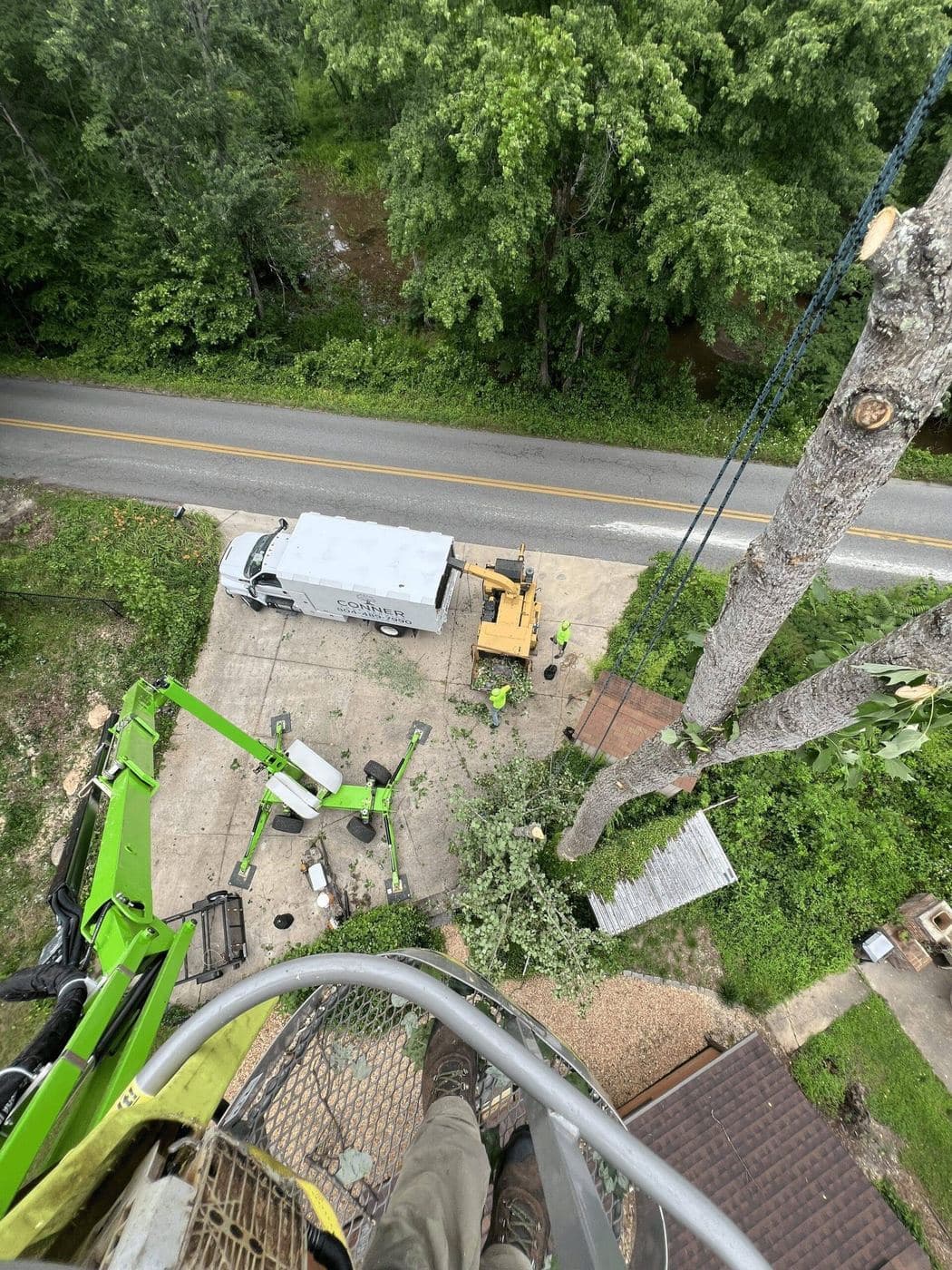
Certified arborists mitigate hidden risks through structured assessments, expert judgment, and documented recommendations. They evaluate tree health, structural defects, and site targets to prioritize actions.
A certified arborist identifies defects, assesses failure likelihood, and maps targets to plan safe mitigation. They recommend pruning, cabling, or removal, providing informed choices.
Conner Tree Service ensures safety through thorough inspections, proper rigging, and controlled work zones, minimizing risks for Richmond-area properties. Our insured crews handle high-risk removals.
For a local hazard assessment or to discuss a high-risk tree, contact Conner Tree Service for an on-site evaluation.
Perform a visual check from a safe distance. If concerned, contact a certified arborist for a professional evaluation.
Inspect trees at least once a year and after severe weather.
Immediate removal is likely for large trunk cracks, extensive decay, a dangerously leaning tree with soil uplift, exposed/rotting roots, or contact with power lines. Call a professional arborist right away.
Minor pruning can be DIY, but if a tree shows risk signs or work is near structures/lines, hire a professional.
Safe tree work requires PPE (hard hats, eye protection, cut-resistant gloves, high-visibility clothing) plus chainsaws, ropes, and certified rigging hardware.
Inspect trees regularly, keep a safe distance during storms, create exclusion zones during work, and hire certified pros for significant work.
Ensure everyone is safe. Stay away if power lines are involved, and call emergency services if there’s an immediate hazard. Contact a professional removal service.
Identifying hidden tree risks is crucial for property protection and informed tree care. Early detection of structural defects and root issues, combined with professional arborist involvement, significantly reduces risks. Contact Conner Tree Service for evaluations and safe tree management.
Free estimates, no obligation, and a straight answer about what the job actually needs.
