Storm damage? We take emergency calls.(804) 489-7990
Transform your yard this spring with our expert guide to tree trimming. Learn essential tips for maintaining health and beauty, boosting your curb appeal!
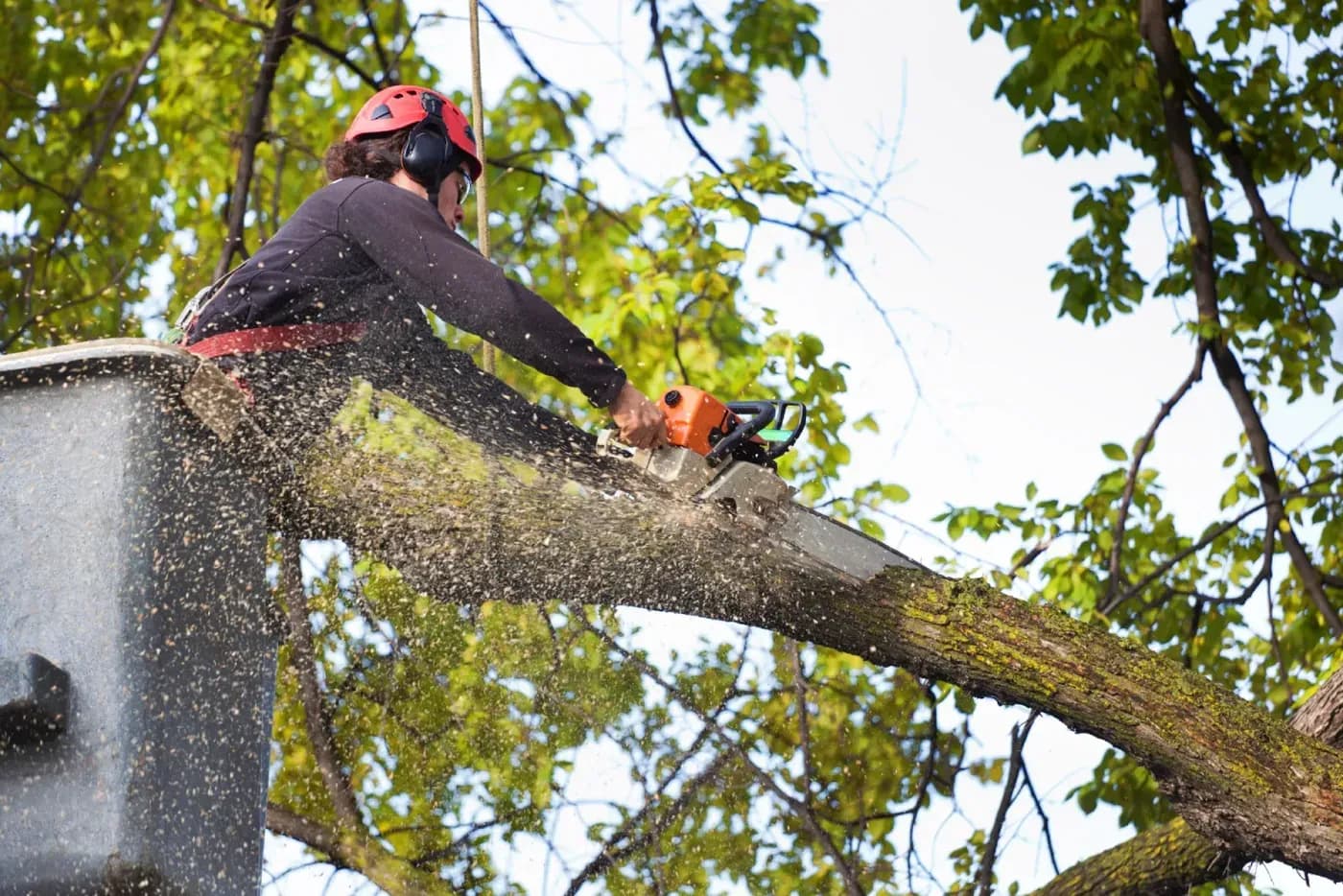
Spring in Virginia brings a burst of life to our landscapes, from the iconic pink blooms of Eastern Redbuds to the deep greens of our massive Willow Oaks. But for many homeowners in Central Virginia, the sight of new growth also brings a common question: "Is it too late to trim my trees?"
In Virginia, tree trimming isn't just about aesthetics, it’s a critical health decision. Pruning at the wrong time can leave your trees vulnerable to environmental stress or invite invasive pests like the Emerald Ash Borer to take up residence. Because our climate varies significantly from the Shenandoah Valley to the Richmond corridor, a "one size fits all" approach to pruning often leads to costly mistakes.
This guide provides a comprehensive roadmap for spring tree trimming in Virginia. You’ll learn the "Golden Window" for pruning, the specific species that require immediate attention, and how to protect your property from the pests currently moving through the Richmond metro area.
Pruning in Virginia is most effective during late winter and very early spring (January–March) while trees are dormant. Once bud break occurs in April, the risk of pest infestation and environmental stress increases for specific species.
The consensus among Virginia arborists is that late winter to early spring (January through mid-March) is the "Golden Window" for most tree species. During this dormant period, the tree’s energy is stored in its roots, and the absence of leaves allows for a clear view of the tree's structure.
When you prune a dormant tree, you minimize the stress on the plant. Because the tree isn't actively growing, it doesn't lose the energy it would otherwise spend on new leaves and shoots. Furthermore, the "wound" created by the cut is only exposed for a short time before the spring growth surge begins, which helps the tree seal the area more quickly.
In Central Virginia, we've found that the timing of this window can shift based on how quickly the ground warms up. A mild February in Richmond might push bud break into late March, effectively shortening your safe pruning window by two weeks compared to a colder year.
Once the sap begins to flow and buds begin to swell (typically late March to early April), the risks increase. Fresh pruning cuts during the active growing season can make trees more vulnerable to opportunistic pests. In Virginia's humid climate, these open wounds can also become entry points for fungal pathogens that thrive in 60–80°F temperatures.
While spring is a critical transition period, maintaining a healthy landscape requires attention throughout the seasons. For a broader look at seasonal maintenance, you can reference our Year-Round Tree Care Calendar & Checklist.
| Month | Pruning Status | Key Actions & Risks |
|---|---|---|
| January - February | ✅ Optimal | Best time for most deciduous trees. Maximum visibility and minimum pest activity. |
| March | ⚠️ Caution | Finish dormant pruning before bud break. Prune summer-flowering shrubs. |
| April | ⚠️ Caution | Prune spring-flowering trees after they bloom. Watch for early pest emergence. |
| May - June | ❌ High Risk | Peak pest activity (EAB, Borers). Focus only on deadwood removal. |
| July - August | ⚠️ Caution | Emergency pruning only. High heat stress makes recovery difficult for trees. |
| September - October | ❌ Avoid | Pruning now encourages new growth that will be killed by the first frost. |
| November - December | ⚠️ Caution | Wait for full dormancy (after several hard frosts) before major structural pruning. |
While some regions worry about oak wilt, homeowners in Central Virginia are more likely to face Oak Decline. This is a complex condition caused by a combination of environmental stressors, like drought or poor soil, and secondary pests that attack weakened trees.
Pruning oaks during the heat of late spring or summer can add unnecessary stress to a tree already struggling with Virginia’s fluctuating weather patterns. If you notice thinning canopies, branch dieback, or unusual leaf yellowing on your oaks, it may not be a pruning issue at all. We recommend reviewing our guide on Oak Decline in Virginia to understand how to protect these massive landscape assets.
Timing your pruning isn't just about the tree's biology; it's about the life cycles of the pests currently moving through our region.
The Emerald Ash Borer has been confirmed in Hanover County and has spread across the Richmond metro area, including Henrico and Chesterfield. Adult beetles emerge from ash trees between May and August.
Pruning an ash tree during this adult flight window is risky; wounded trees are more vulnerable to infestation, and the movement of fresh-cut material can inadvertently spread larvae. If you have ash trees on your property, ensure all structural pruning is completed by late March to minimize these risks.
The Spotted Lanternfly is now confirmed across more than half of Virginia's counties, including the Richmond metro area, it's no longer a problem confined to Northern Virginia. These pests lay egg masses on tree trunks and branches from October through May. Pruning during the winter allows you to identify and remove these egg masses before they hatch in the spring. For the latest distribution data, Virginia Tech's Extension program maintains an updated SLF map.
For Virginia's beautiful Dogwoods, pruning should be avoided in late spring and summer. The Dogwood Borer is attracted to fresh wounds during its flight season (May–September). By pruning in late fall or winter, you allow the tree to begin the sealing process before the borers emerge.
When to prune: Immediately after the flowers fade. These trees develop their flower buds during the previous summer. If you prune them in the winter, you are cutting off this year's display. By pruning in late spring (immediately after blooming), you give the tree the entire summer to set new buds for next year.
When to prune: Late winter (February). Crepe Myrtles bloom on "new wood" produced during the current growing season. Pruning them in late winter encourages vigorous new growth and a better floral display in July and August. Avoid "Crepe Murder", the practice of topping these trees, which leads to weak, spindly growth and structural instability.
When to prune: Late winter or early spring before new growth starts. Hollies and Magnolias can be pruned in early spring. For Pines and Spruces, pruning is usually limited to "candling", removing a portion of the new growth (the candle) in late spring to control the tree's size and density.
Pruning is a skill that ranges from simple maintenance to high-risk structural engineering. Knowing your limits can save your trees, and your safety.
If you aren't sure whether a branch is just a nuisance or a symptom of a deeper problem, we recommend using our Step-by-Step Guide to Assessing Tree Health to help determine if your tree needs a simple trim or a full removal.
What people do wrong: Cutting the tops off major branches to reduce the tree's height. Why it's a problem: Topping creates massive wounds that the tree cannot seal. It triggers a "panic" response, resulting in weak, vertical "epicormic" shoots that are prone to breaking in high winds. The right approach: Use "reduction cuts" that prune a branch back to a lateral branch that is at least one-third the diameter of the branch being removed.
What people do wrong: Cutting a branch several inches away from the trunk. Why it's a problem: These stubs cannot seal over. They eventually rot, providing a direct highway for decay and insects to enter the main trunk of the tree. The right approach: Cut just outside the "branch collar", the slightly swollen area where the branch meets the trunk.
What people do wrong: Removing all the inner foliage and leaving only a tuft of leaves at the end of the branch. Why it's a problem: This shifts the weight to the very end of the branch, making it much more likely to snap during a Richmond ice storm or summer thunderstorm. It also starves the inner part of the tree of nutrients. The right approach: Maintain an even distribution of foliage throughout the canopy, never removing more than 25–30% of the total foliage in a single year.
Spring tree trimming in Virginia is a balancing act between encouraging growth and preventing pest infestation. By respecting the "Golden Window" of late winter and being mindful of the pest cycles in the Richmond metro area, you can ensure your landscape remains healthy and resilient.
Remember that every cut you make is a permanent change to the tree's biology. If you are unsure about the health of a tree or the safety of a large branch, the most cost-effective move is to have a professional assessment before you pick up the saw.
Serving Quinton, Richmond, Chesterfield, Williamsburg, Hanover, Henrico, New Kent, and the surrounding Central Virginia area. If you need a professional health assessment or structural pruning for your property, we're happy to help, Contact Conner Tree Service today.
For most species, April is the transition month. While you can still prune many deciduous trees, spring-flowering trees like Dogwoods should not be pruned until after they finish blooming. Major structural pruning should be avoided as the tree enters its active growth phase.
May through August is the adult flight window for the Emerald Ash Borer. Pruning during this time can make trees more vulnerable to infestation and risks spreading the pest through the movement of fresh-cut material.
Costs vary based on the size of the tree and the complexity of the job. For a standard ornamental tree, prices typically range from $150 to $450. For large, mature shade trees requiring climbing or bucket trucks, costs can range from $500 to $1,500 or more.
No. You should never attempt to prune any part of a tree that is within 10 feet of a power line. Contact Dominion Energy or your local utility provider; they are responsible for maintaining clearance around high-voltage lines.
Certain species, like Maples, Birches, and Walnuts, have heavy sap flow in the spring. While "bleeding" looks alarming, it is generally not harmful to the tree. However, it is a sign that you should have pruned earlier in the winter during full dormancy.
In Virginia, you generally have the right to prune branches that overhang your property line, but only up to the property line itself. However, you cannot prune in a way that kills or significantly damages the neighbor's tree, or you may be liable for the tree's replacement value.
Serving Quinton, Richmond, Chesterfield, Williamsburg, Hanover, Henrico, New Kent, and surrounding Central Virginia area.
Free estimates, no obligation, and a straight answer about what the job actually needs.
